Care Guide
The right care extends the life of every piece
The pieces this guide is about
Common problems
Do
- Gently shake off the water and get the piece out of the rain as fast as you can.
- Let it dry on its own, on a wide hanger, in an airy room at room temperature.
- For smooth leather, blot with a soft, dry cloth rather than rubbing.
- Let wet fur dry completely, then shake it gently so the hair resettles.
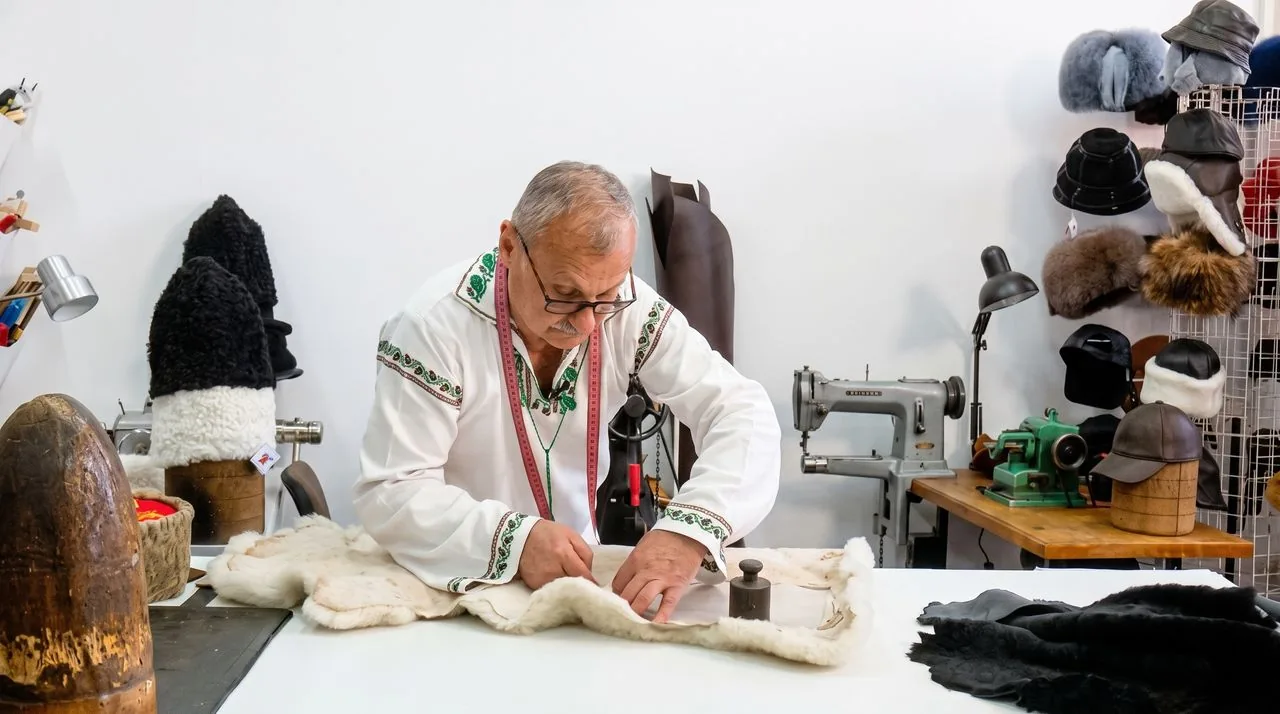
- If it got badly soaked or a water mark set into the leather, bring the piece to the workshop.
Don't
- Don't dry it with a hairdryer, on a radiator, by a stove or in direct sun: the hide dries out and cracks.
- Don't rub or brush fur or suede while they are wet.
- Don't put the wet piece in a plastic bag or a closed wardrobe, because it will go mouldy.
- Don't use a hot hairdryer on leather: it leaves rings and stiffens the material.
- Don't apply any solution, wax or balm to wet fur.
Do
- Air the piece on a wide hanger, in a cool, dry spot, away from the sun.
- Leave it a few hours in fresh air, in the shade, to freshen up.
- Keep fur and leather away from the kitchen, cigarette smoke and strong perfumes, because they absorb the smell.
- For a stubborn smoke or musty smell, bring the piece in for professional cleaning at the workshop.
- Store the piece clean: odour often comes from dirt and body oils left on it over the summer.
Don't
- Don't spray perfume, deodorant or air freshener directly onto fur or leather.
- Don't machine-wash the piece or send it to an ordinary dry cleaner.
- Don't use mothballs to cover the smell: they leave a heavy odour of their own that is hard to remove.
- Don't shut a damp or unaired piece in a sealed bag, because the stale smell only gets stronger.
- Don't try to mask a musty smell: it signals damp that needs to be dealt with.
Do
- Feed smooth leather now and then with a balm suited to its type, in a thin layer. Suede and nubuck are not fed with cream, they are brushed.
- Test any product first on a hidden area (inside, hem) and let it absorb.
- Keep the piece away from direct heat sources; a radiator dries leather out over time.
- On a belt or a small leather-goods piece, feed the places that bend every day first.
- Deep cracks, stiffened leather or lifted areas are fixed at the workshop, by reconditioning.
Don't
- Don't leave leather for years with no feeding: it dehydrates and cracks at the creases.
- Don't use alcohol, acetone, bleach or household detergents on leather.
- Don't apply cooking oil, petroleum jelly or random greasy products, because they stain and mat the hair.
- Don't dry cracked leather with heat to revive it: it splits worse.
- Don't fold or cram a dried-out piece, because a crease is exactly where a crack starts.
Do
- Store the piece clean: moth larvae feed on the keratin in the hair and the wool itself, and body oils and sweat attract them all the more.
- Use a breathable cloth garment bag and leave air around the piece.
- Air and check the piece regularly; a routine look catches any problem early.
- Keep the wardrobe clean and dry; vacuum and wipe the shelves before seasonal storage.
- Bring fur in for cleaning before summer. Cold storage remains the safest protection, but we have no cold chamber in the workshop and do not offer it as a service.
Don't
- Don't use mothballs on fur: they damage the hair, dry the hide and leave a smell that is hard to remove.
- Don't put cedar oil or scented sachets directly on the fur or right next to it.
- Don't store the piece dirty or worn until the next season: stains and body oils invite moths.
- Don't seal the piece in airtight plastic, because the lack of air encourages moths and mould.
- Don't keep fur in a warm, damp, unwatched attic or cellar.
Do
- Clean the piece, or bring it in for cleaning, before you put it away. Store it clean, not dirty.
- Hang it on a wide, padded hanger so it keeps its shoulders and shape.
- Use a breathable cloth garment bag and leave space between pieces so air can circulate.
- Choose a cool, dark, dry spot; heat and light dry the leather and fade the hair.
- Caps and cușme are kept on a block or loosely stuffed, otherwise the band flattens and the piece never quite recovers.
Don't
- Don't use a plastic cover or bag: it traps moisture and dries the leather.
- Don't hang the piece on a thin wire hanger, because it deforms the shoulders of the fur.
- Don't keep it next to a radiator, in the sun, or in warm, damp spaces.
- Don't cram fur in between other clothes: the hair flattens and loses its volume.
- Don't forget the piece in a car boot, a suitcase or a sealed box for months on end.
Care by material
| Material | Characteristics | Care |
|---|---|---|
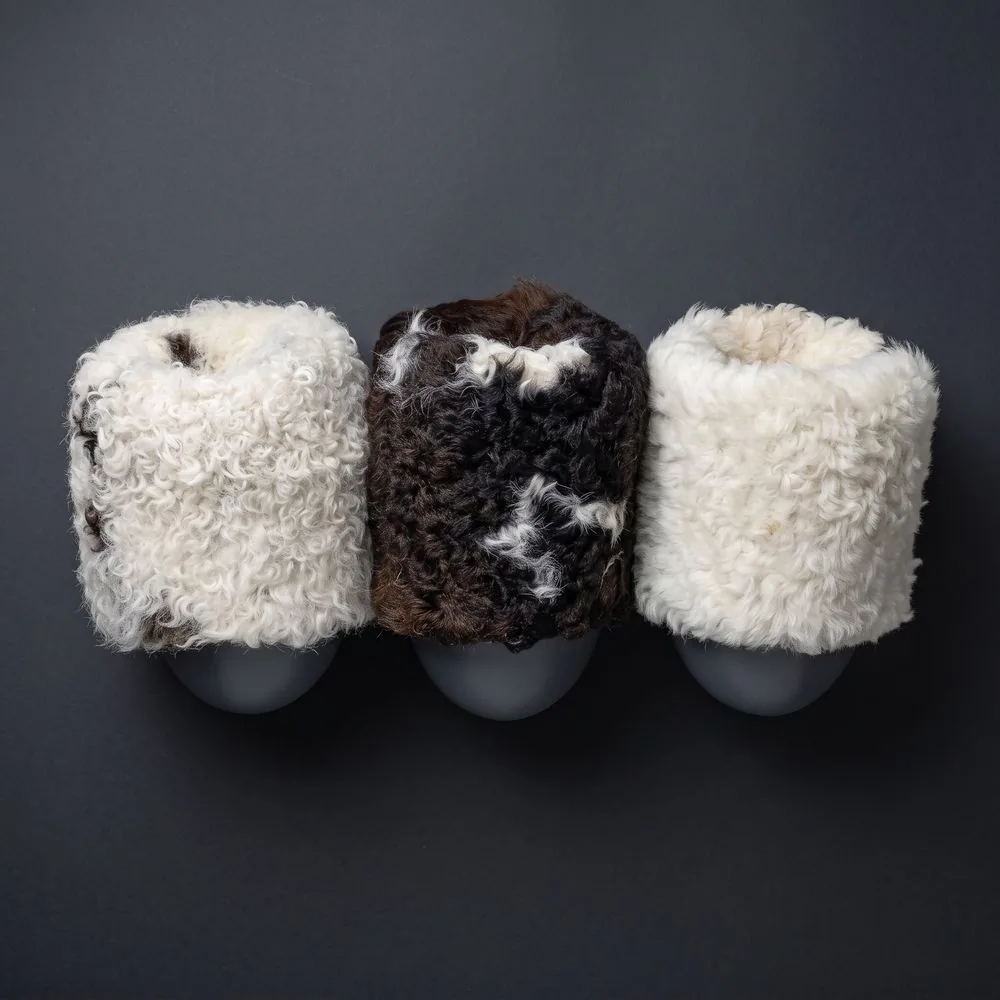
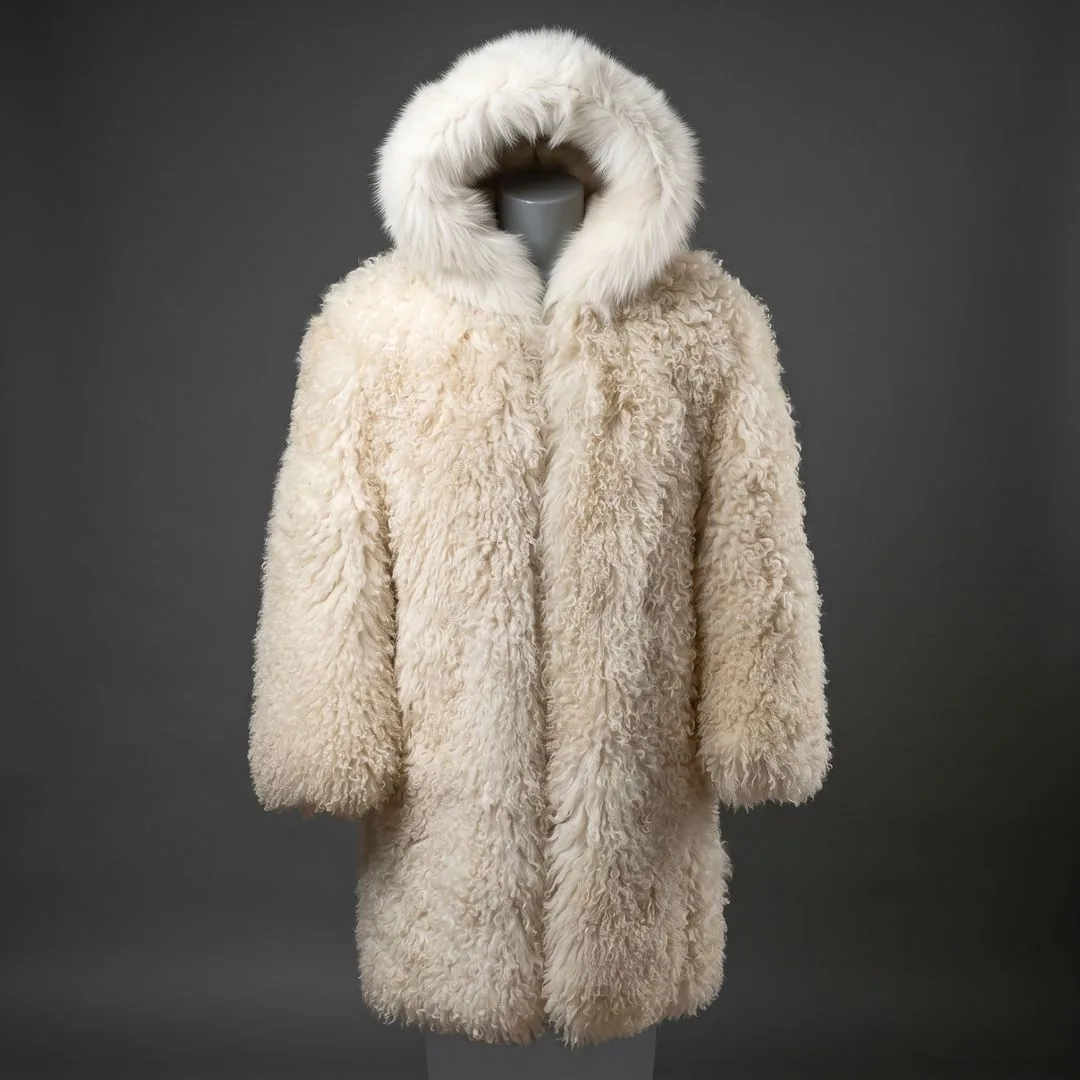
| Long-curl lambskin | The skin the cușme and the fur-side-out cojoace are made from. The curl is dense and irregular, with pale and dark patches that come off the animal, not out of a dye bath. | Shake off snow and let the piece dry on its own, at room temperature. Untangle the curl gently with your fingers, never with a comb. Then brush with a soft brush, in the direction of the hair. Cleaning and glazing are done once a season, at the workshop, before the piece is put away. |
| Astrakhan-type curl | The tight, glossy curl used for a cap's band and for contrast panels. Compact and elegant, but the curl loses its shape if the hide dries out. | Keep away from damp and direct heat; dry by air only, never with a hairdryer. Wipe off dust with a soft cloth, dry, along the curl. Do not put creams or oils on the skin side: the hide of a fur is fed only at the workshop, with furrier's products. |
| Cojoc (lambskin with the wool on one side) | Sheep or lamb skin with the wool kept on one face and the leather finished on the other. Warm, rugged and natural, but it soaks up water and stains if left unprotected. | Brush the leather face, dry, with a soft brush to lift the nap. For grease spots, sprinkle starch, let it draw, then brush it off. Keep away from water and rain. Don't wash the piece or send it to an ordinary dry cleaner. |
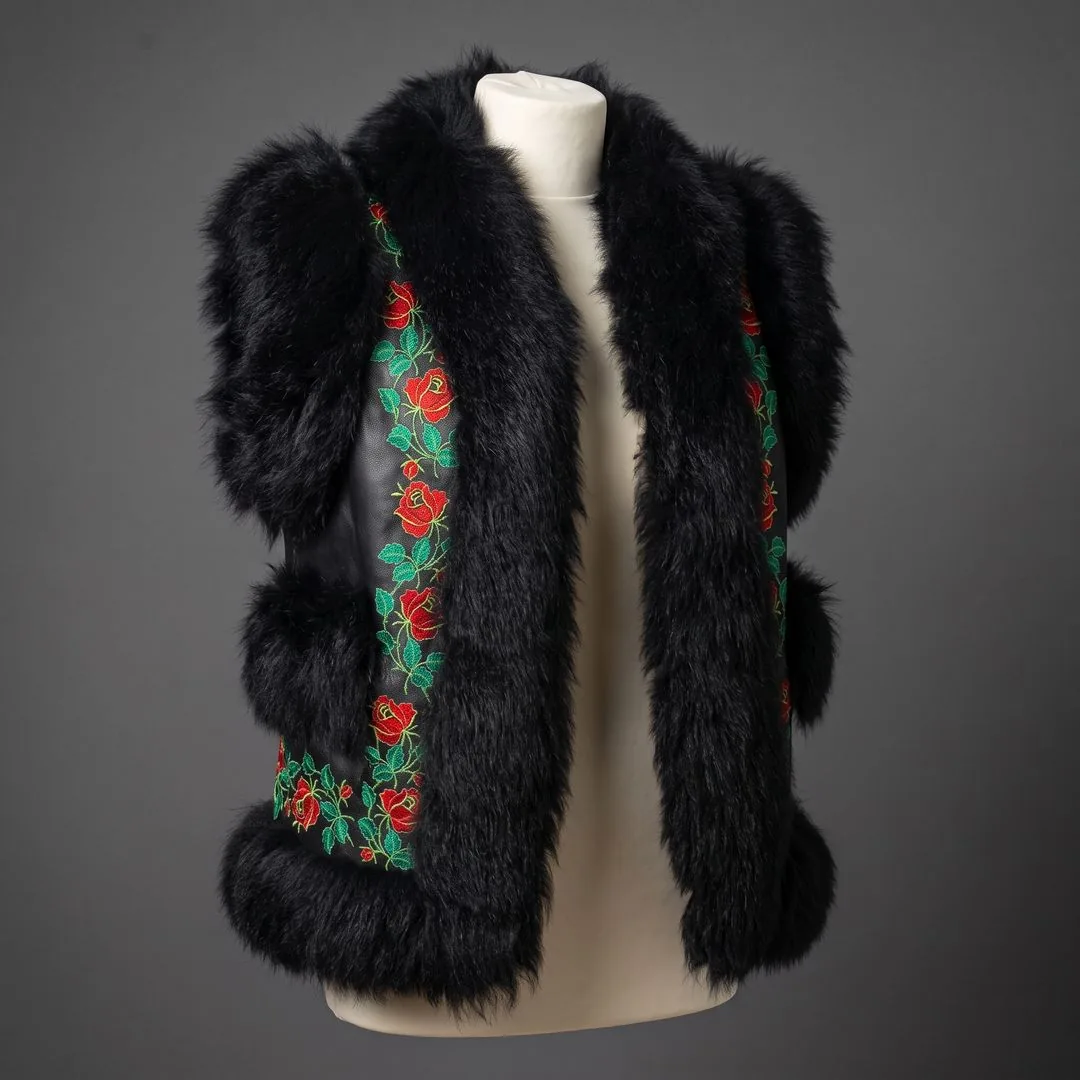
| Thin-hide furs (vânat) | Fox, hare and mink fall, in workshop speech, under vânat, game: the hide is thin and the hair long, so they are sewn on a different machine from thick materials. Long hair flattens and tangles if the piece is crammed in. | It needs room, so don't cram it between clothes. Wide hanger, cloth garment bag, cool dry spot. Shake it gently to bring the volume back and detangle softly with your fingers. Workshop glazing restores the sheen; at home, don't brush hard. |
| Smooth natural leather | The ground of the bundițe, the bags and the belts. A surface with the grain left visible, good to the touch, but sensitive to scratches and water marks. | Wipe off dust with a soft, dry cloth. With liquids, blot at once, don't rub. Feed it rarely, with a neutral balm, in a thin layer. Keep belts rolled rather than folded in half. Recolouring and difficult stains are handled at the workshop. |
| Nubuck & suede | A velvety surface with a short nap. Warm and matte in look, but very sensitive to water, stains and rubbing; it soils easily. | Brush regularly, dry, with a suede brush to lift the nap and remove dust. Grease spots are treated with starch, then brushing. Keep away from water and rain. Don't wet it or rub it damp: the nap flattens and the surface takes on a shine that never comes out. |
| Velvet & wool cloth | The crown of a cap and the caps made in felted cloth. They are not fur and are not cared for like fur, but a moth eats wool just as happily. | Shake and brush lightly, dry, with a soft brush. Don't rub velvet with water and don't iron it directly. Store the piece clean, in a cloth bag, on a block or loosely stuffed. Stains go to the workshop, not into household detergent at home. |
Long-curl lambskin
- Characteristics
- The skin the cușme and the fur-side-out cojoace are made from. The curl is dense and irregular, with pale and dark patches that come off the animal, not out of a dye bath.
- Care
- Shake off snow and let the piece dry on its own, at room temperature. Untangle the curl gently with your fingers, never with a comb. Then brush with a soft brush, in the direction of the hair. Cleaning and glazing are done once a season, at the workshop, before the piece is put away.
Astrakhan-type curl
- Characteristics
- The tight, glossy curl used for a cap's band and for contrast panels. Compact and elegant, but the curl loses its shape if the hide dries out.
- Care
- Keep away from damp and direct heat; dry by air only, never with a hairdryer. Wipe off dust with a soft cloth, dry, along the curl. Do not put creams or oils on the skin side: the hide of a fur is fed only at the workshop, with furrier's products.
Cojoc (lambskin with the wool on one side)
- Characteristics
- Sheep or lamb skin with the wool kept on one face and the leather finished on the other. Warm, rugged and natural, but it soaks up water and stains if left unprotected.
- Care
- Brush the leather face, dry, with a soft brush to lift the nap. For grease spots, sprinkle starch, let it draw, then brush it off. Keep away from water and rain. Don't wash the piece or send it to an ordinary dry cleaner.
Thin-hide furs (vânat)
- Characteristics
- Fox, hare and mink fall, in workshop speech, under vânat, game: the hide is thin and the hair long, so they are sewn on a different machine from thick materials. Long hair flattens and tangles if the piece is crammed in.
- Care
- It needs room, so don't cram it between clothes. Wide hanger, cloth garment bag, cool dry spot. Shake it gently to bring the volume back and detangle softly with your fingers. Workshop glazing restores the sheen; at home, don't brush hard.
Smooth natural leather
- Characteristics
- The ground of the bundițe, the bags and the belts. A surface with the grain left visible, good to the touch, but sensitive to scratches and water marks.
- Care
- Wipe off dust with a soft, dry cloth. With liquids, blot at once, don't rub. Feed it rarely, with a neutral balm, in a thin layer. Keep belts rolled rather than folded in half. Recolouring and difficult stains are handled at the workshop.
Nubuck & suede
- Characteristics
- A velvety surface with a short nap. Warm and matte in look, but very sensitive to water, stains and rubbing; it soils easily.
- Care
- Brush regularly, dry, with a suede brush to lift the nap and remove dust. Grease spots are treated with starch, then brushing. Keep away from water and rain. Don't wet it or rub it damp: the nap flattens and the surface takes on a shine that never comes out.
Velvet & wool cloth
- Characteristics
- The crown of a cap and the caps made in felted cloth. They are not fur and are not cared for like fur, but a moth eats wool just as happily.
- Care
- Shake and brush lightly, dry, with a soft brush. Don't rub velvet with water and don't iron it directly. Store the piece clean, in a cloth bag, on a block or loosely stuffed. Stains go to the workshop, not into household detergent at home.
In the workshop
Where home care stops