A second life
The fur & leather workshop
Furriery
Fur Repair and Restoration
About this service
Restoration is not a sideline of this trade, it is how the trade was learned: the maistru came to make things because he spent years repairing what people brought him. An old piece does not put us at a loss. It puts us to work.
Everything starts by reading the pelt. We look for the bald or thinning patches the trade calls chelituri, left where the hide was not salted in time and the hair falls out, and for the cracks in the skin itself. Whatever will no longer hold a needle we tell you at the outset, because a new seam set into tired skin gives way right beside itself.
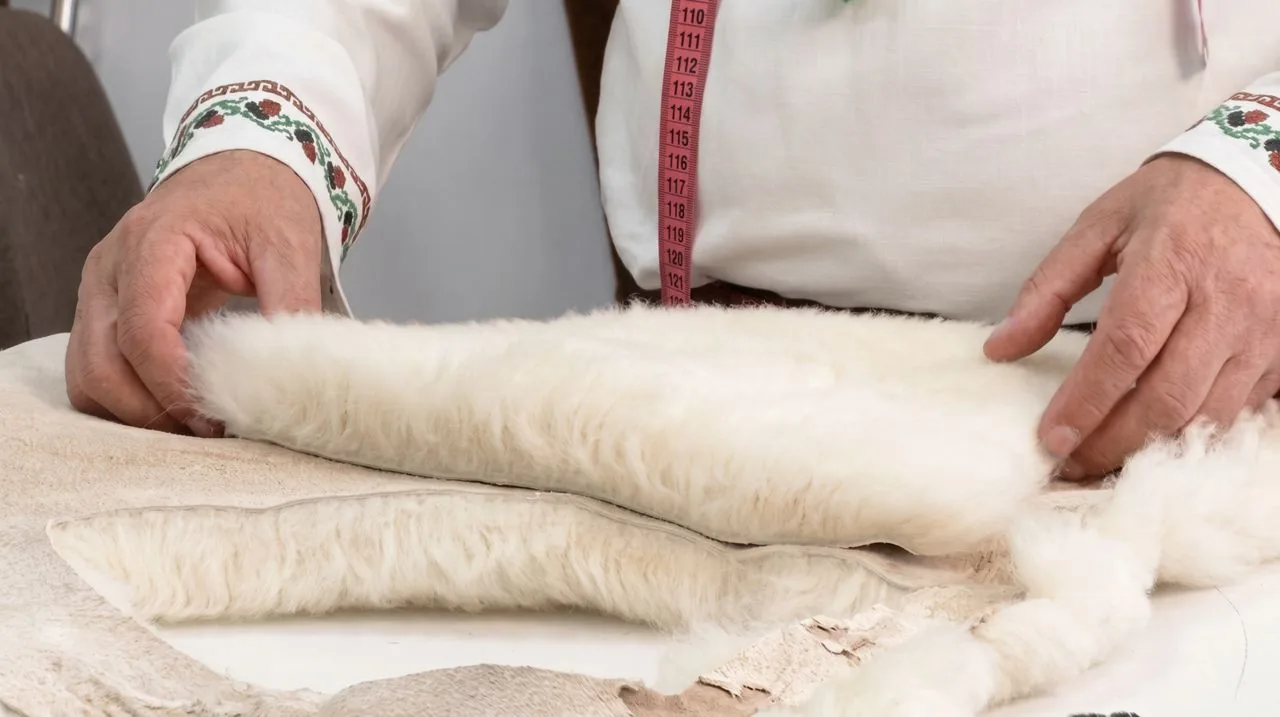
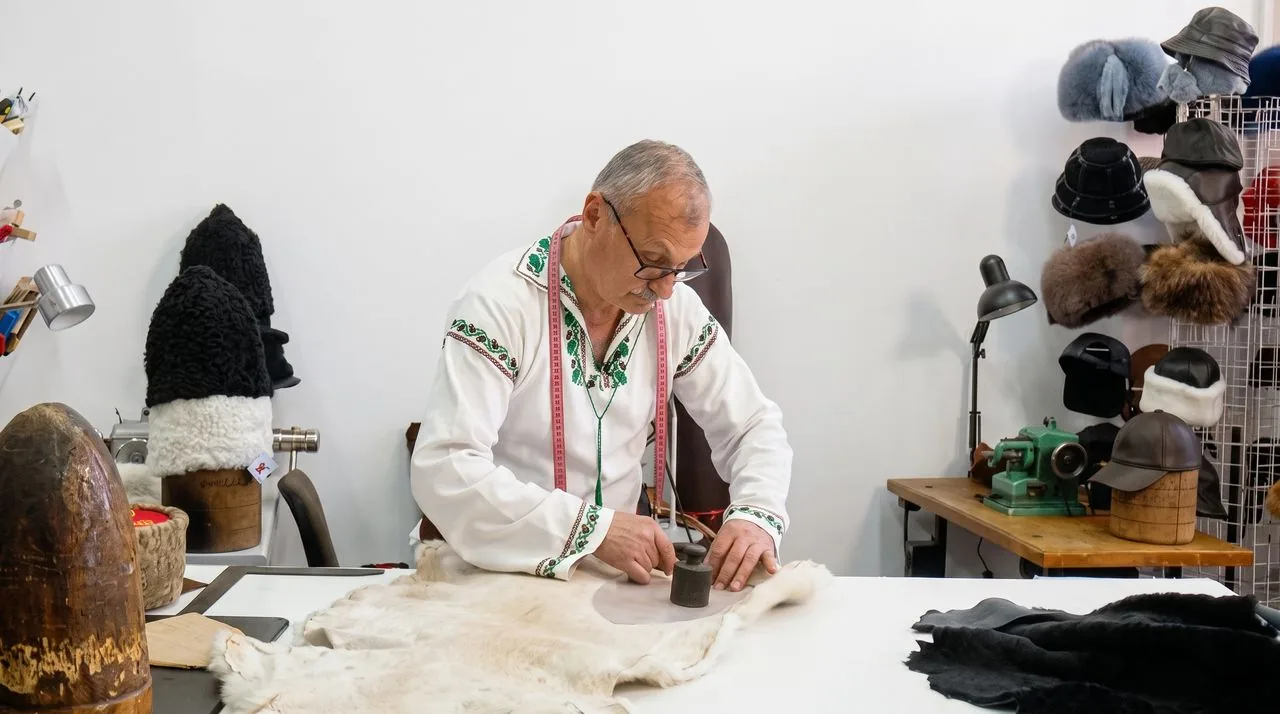
Fur is worked from the back, on the skin side: the seam is sewn on the leather with fine thread, and any hairs caught under the stitch are teased out afterwards with a needle. We never cut fur with scissors, only with a knife, because scissors cut the hair fibre and a cut fibre shows in the finished piece. Of a join made properly, the maistru says it plainly: if you brush it a little afterwards, you cannot even tell where it was joined.
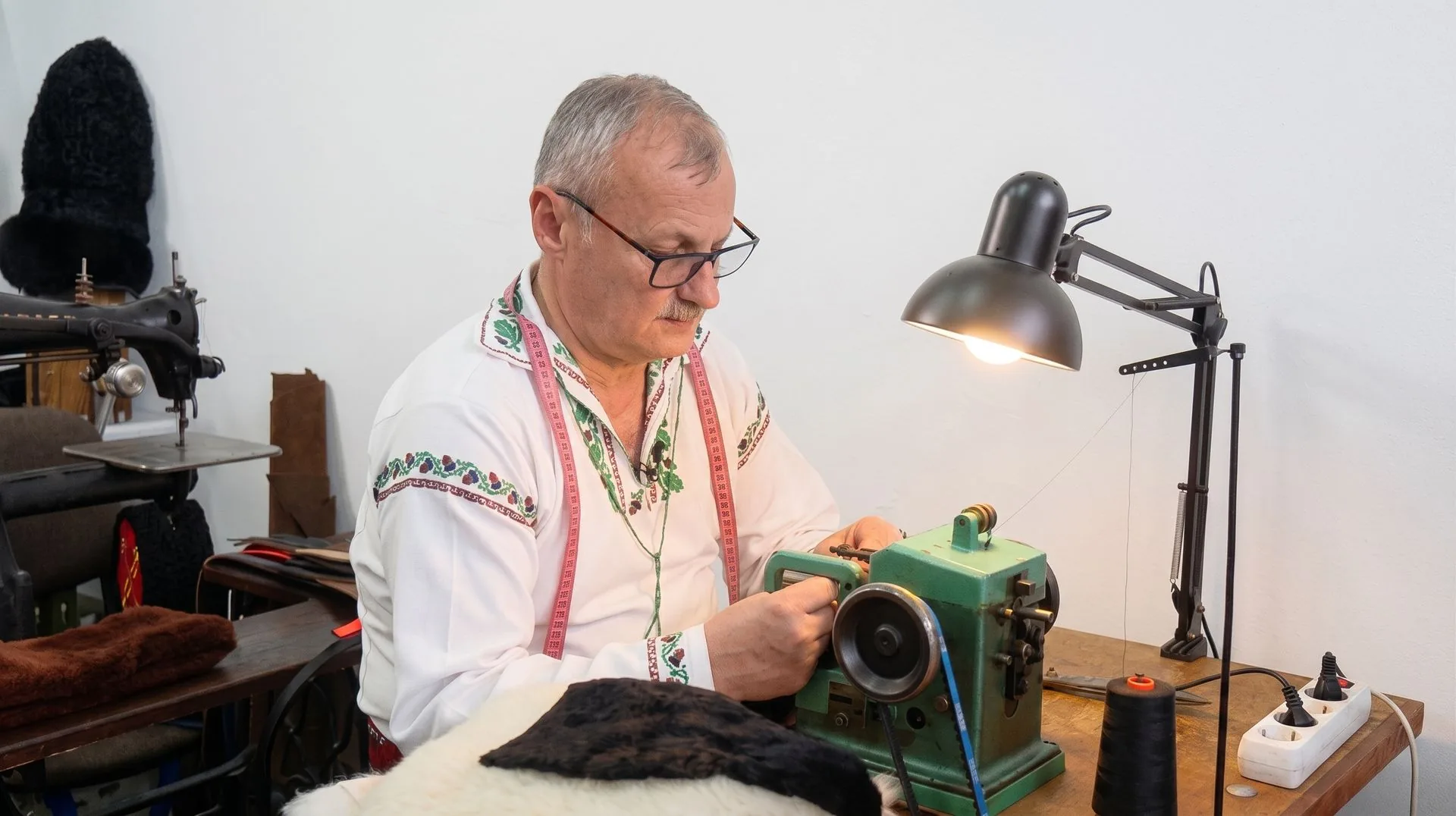
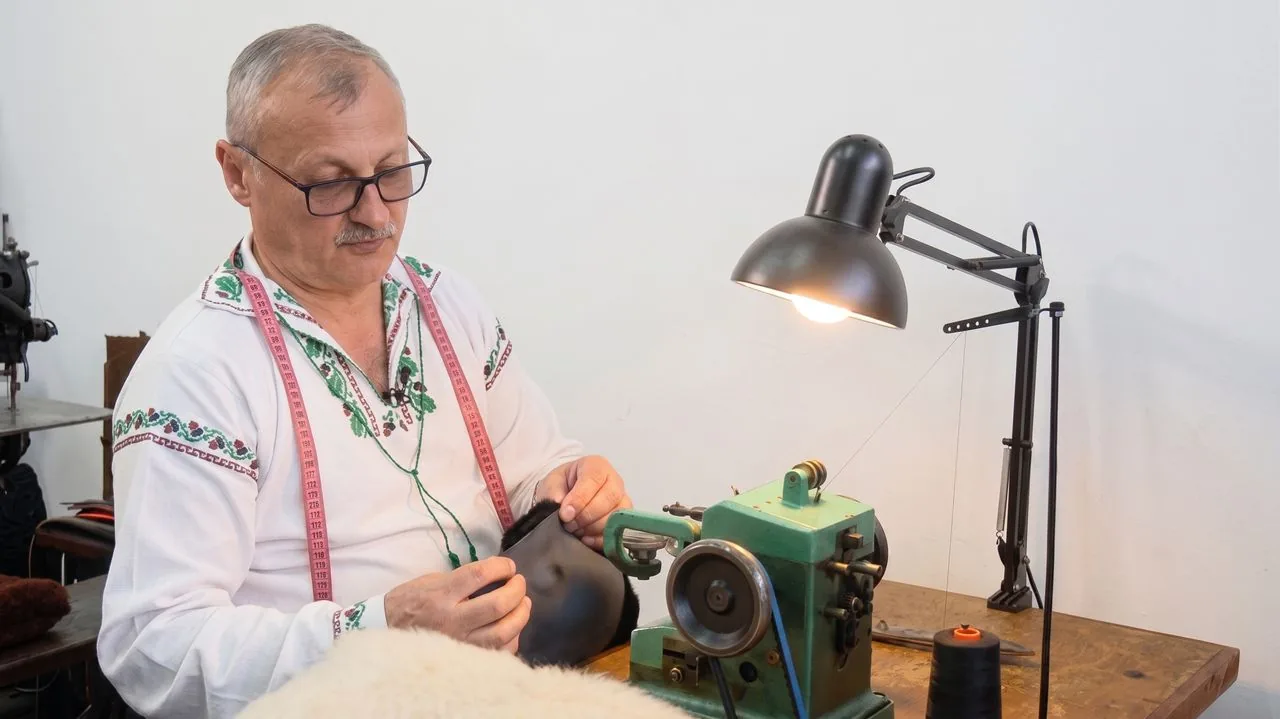
The fur machine closes the work. There are two kinds, one for thick material and one for the thin-skinned furs the trade calls game: fox, hare, mink. The maistru is a maintenance mechanic as well, so the workshop's machines are set by the same hand that sews on them.
What we repair
- tears in the pelt and opened seams
- worn or shedding areas, filled in with skin matched for shade and hair length
- worn linings, remade
- fastenings, hooks and closure systems
- damaged collars and cuffs
- frayed edges and pockets
- size adjustments, shortening or taking in
- cracked or dried-out sheepskin.
Leatherwork
Leather Repair and Reconditioning
About this service
The workshop's leather clothing began with a repair. A man brought in a coat torn at the pocket. The maistru, who did not yet know how to make a pocket, took that one apart, remade it, and only then knew how to cut one from scratch. A lapel came next. What he could not make, he learned by repairing, and repair has stayed at the centre of the workshop ever since.
We treat leather as a living material: we clean it, restore its suppleness, even out the colour, then redo the seams and replace worn hardware. Recolouring works on pigment-finished leather; aniline, suede and nubuck take colour quite differently, so the test is done on a hidden area first and only then on the whole piece.
We also tell you what cannot be done: a deep crack is improved, not erased. The workshop's leather goods began with a request too. At an event someone asked the maistru for a belt, then for a chimir, the wide traditional belt, and from there the challenge stayed: to make a good one for the person who will wear it.
What we repair
- scratches, cuts and surface wear
- fading and colour loss, recoloured in a matched shade
- dry or cracked leather, fed and reconditioned
- undone seams, re-stitched
- zips, buckles and snaps
- torn linings, remade
- stains and wear marks
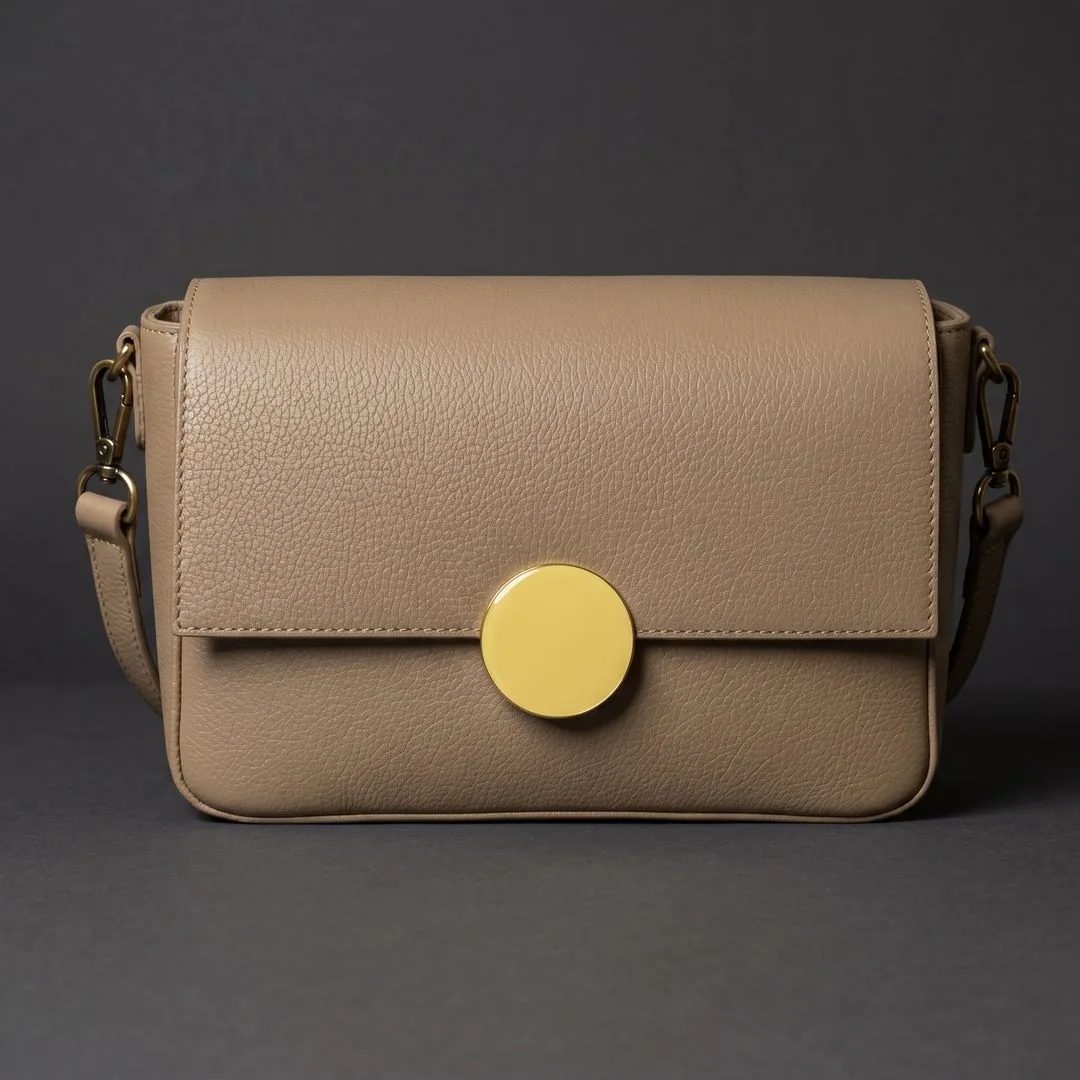
- edges, corners and bag handles.
Leatherwork
Leather Garment Dyeing
About this service
The workshop's fascia says "Vopsim haine din piele", we dye leather clothing, and it has said so for a long time. The colour of a leather jacket or coat goes first at the elbows, the collar and the pockets, exactly where the leather is rubbed every day. The piece looks tired well before it actually is.
We clean and feed the leather first, because dye will not settle on skin that is dry or loaded with wax. Pigment-finished leather takes colour differently from aniline, suede or nubuck, so the test is done on a hidden area and only then on the whole piece. Where the leather is cracked right through, colour evens out the look but does not fill the crack, and we say so before the work, not after.
We work only on the piece brought to the workshop, once we have seen it on the table. The shade is settled there too, together with you: either as close as possible to the original colour, or a deliberate change, which does not come back.
What we repair
- leather jackets and coats
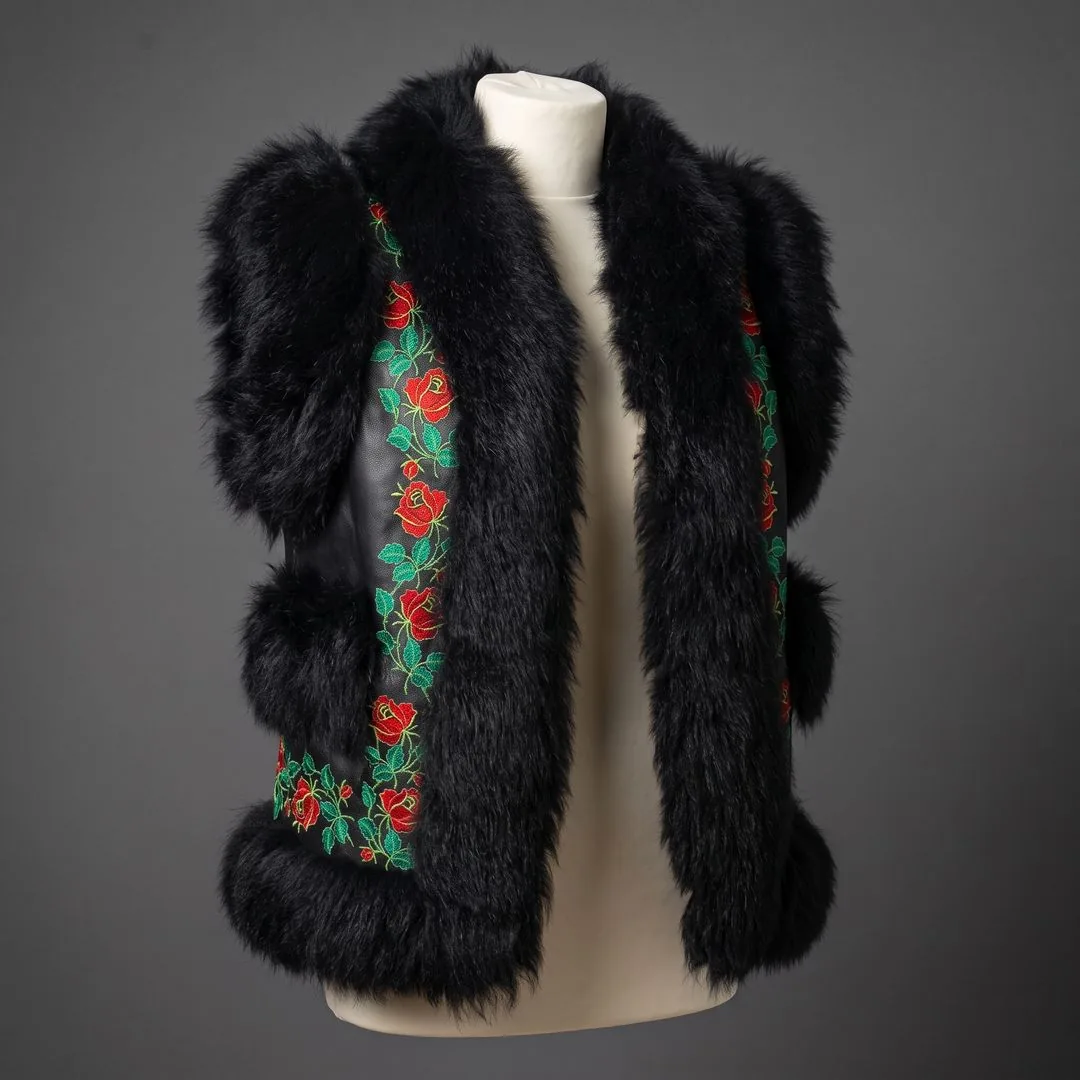
- leather waistcoats and trousers
- bags, rucksacks and small leather goods
- belts and chimire
- faded elbows, collars and pockets
- pieces darkened or polished by wear
- marks left behind after a cleaning
- pieces whose colour has gone patchy.
Workshop
Transformations
About this service
Made-to-order work was born of a challenge the customers brought: they arrived with all sorts of designs, wanting something other than the classic models. A transformation still begins the same way today, from what you already own and what you would like it to become.
What decides the outcome is not how much material there is, but how much of the skin will still hold a needle. An old, dried-out pelt tears at the seam itself, so the new cut is planned around the sound areas, and whatever cannot come out of the piece we tell you before anything else. Fur we cut with a knife, never scissors, because scissors cut the hair fibre and a cut fibre shows in the finished piece.
A transformation cannot be undone. What has been cut away will not give the old length back, so we show you the proposal on the piece itself and you approve it before the knife goes in. The good material that is left is not lost: the part that is left over is not thrown away, the maistru says, that is the gold of the trade. The sound pieces are picked out, joined and become the lining of a fur hat.
What we transform
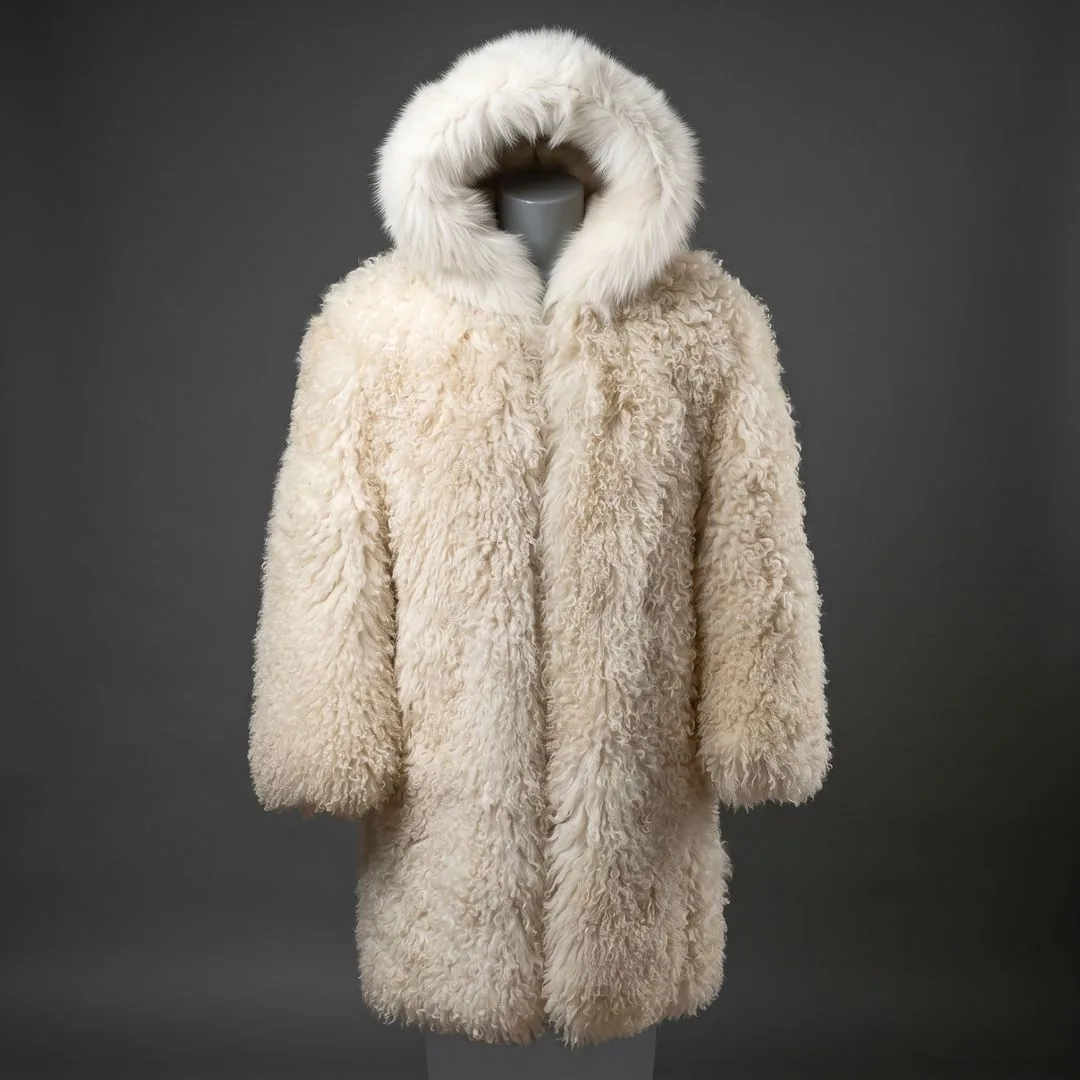
- long coats shortened or remodelled
- dated furs restyled
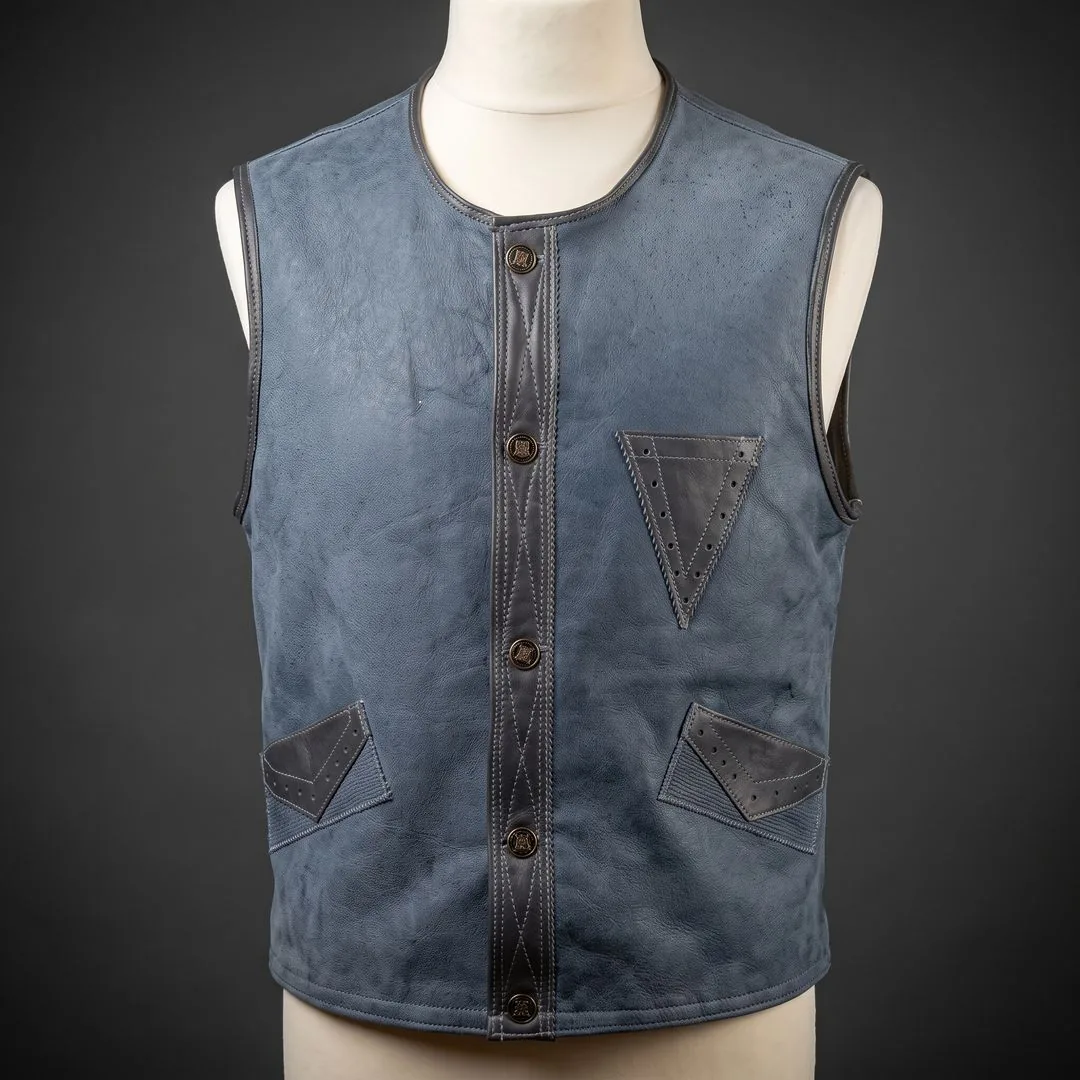
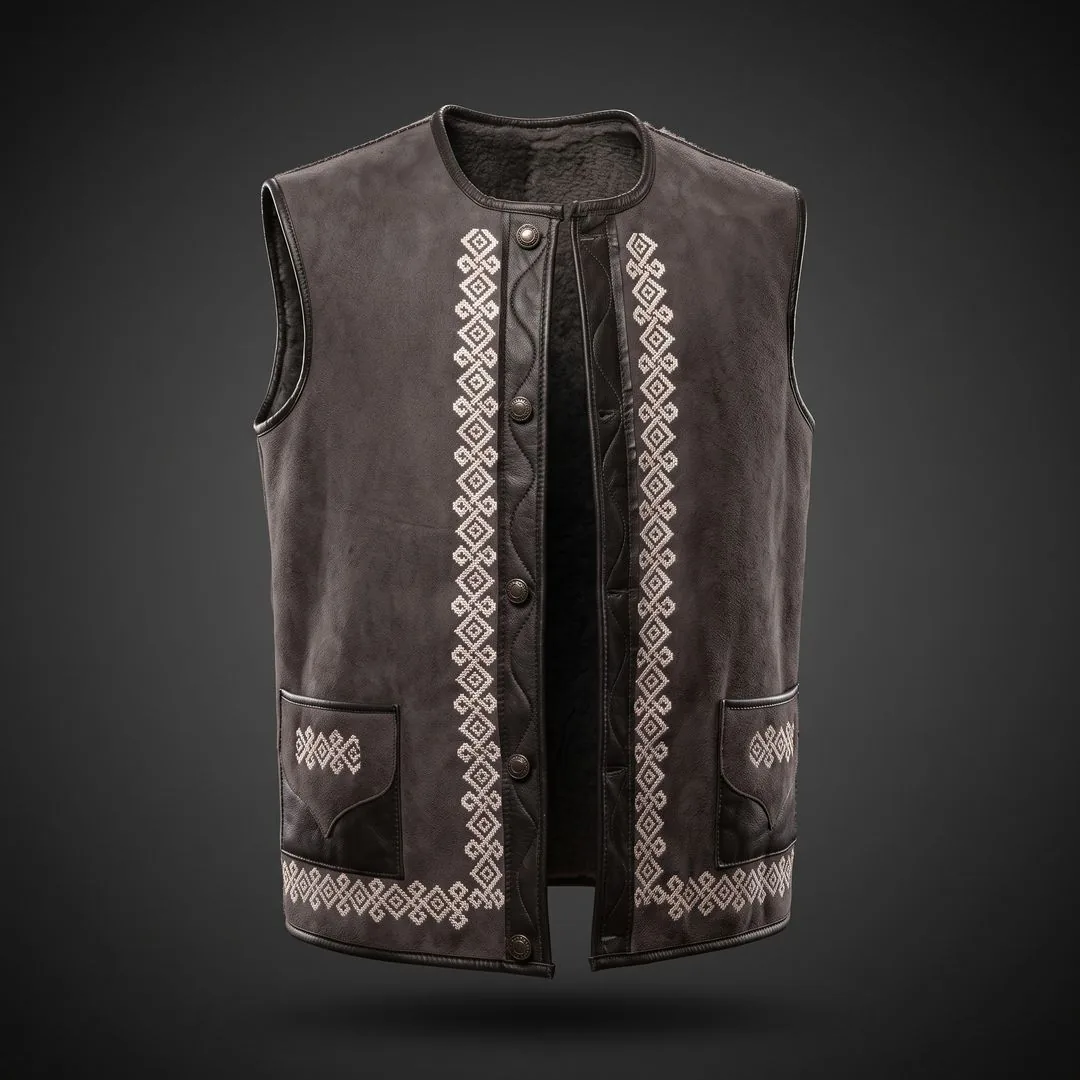
- sheepskin coats turned into gilets or accessories
- recutting and changing the line
- new linings and details
- inherited pieces brought back into wear
- recombining the good material from two pieces.
Workmanship guarantee
Straight with you, from the start
What can be saved, and what can't
What can be saved
- Tears, skins that have come apart, and fur that is worn down or shedding.
- Dry, cracked or faded leather: reconditioning and recolouring with a pigment matched to the shade.
- Worn linings, open seams, zips, hooks, collars and cuffs.
- Recutting and restyling: a coat shortened, a waistcoat made from a sheepskin, a new line.
What we cannot promise
- A final cost without the piece in hand. For an exact cost, the piece has to be assessed in the workshop.
- The workmanship guarantee does not cover natural wear, nor damage caused by incorrect use.
- The patina on vegetable-tanned leather is not a defect, and we do not "correct" it with aggressive products.
- Suede that has been wetted and rubbed loses its nap and glazes over. There is no full way back from that.
- Natural fur cannot be sent through the usual international couriers. For pieces from abroad we use specialised solutions.
- Faux or synthetic fur: we work only natural fur and leather; a synthetic pile cannot be sewn or reconditioned the way a natural one can.
- Patent or coated leather: once the surface layer has cracked, it cannot be rebuilt.
- Industrially glued pieces: they cannot be unpicked and re-sewn, because the adhesive has gone into the leather.
- Sports and technical garments: ski jackets, motorcycle leathers, anything with a technical membrane.
- Fur whose skin has gone dry and crumbling: it tears at the needle, so no seam will hold.
- Mould that has gone through the whole hide, not just the surface: it cannot be taken out.
- Fur rubbed down to the hide over large areas: there is nothing left to restore.
- An old repair made with adhesive: the leather around it has hardened and no longer moves.
- Re-colouring old leather: it can be done, but the new colour will never sit exactly like the original patina.
- Replacing a section of fur: it can be done, but a new pelt will not match the sheen and shade of one worn for decades.
- Removing set-in stains: it can be done, but they lighten rather than disappear.
- Taking in a heavily worn piece: it can be done, but the old seam lines and wear marks stay visible.
For an assessment
Tell us what has happened to your piece
The piece is seen in the workshop
- Bring the piece exactly as it is. Please don't attempt repairs at home.
- The assessment in the workshop and the personalised quote stay free and without obligation.
- The final cost follows once the piece has been seen and handled, never before.
Strada 1 Decembrie 1918 39, 810203 Brăila
1 / 4
What piece do you have?
Pick the one answer that comes closest to your piece.
How it works
We assess
Read moreQuote & approval
Read moreWe restore
Read moreWe return it
Read more
Frequently Asked Questions
Returns & warranty
Yes, for any purchase made at a distance. Under Romanian law (OUG 34/2014) you have 14 days from receiving the product to withdraw, without giving a reason. The piece must come back unworn, in its original condition, with the tag attached. We confirm the conditions and the cost of return in writing before anything is shipped.
No. Under art. 16(c) of OUG 34/2014, the 14-day right of withdrawal does not apply to goods made to your specifications or personalised: made to order, monogrammed, cut to your own measurements. These are one-off pieces made for you alone. The statutory guarantee of conformity still stands: a defect in our workmanship, we put right.
We stand behind our work: if a seam we sewed, a lining we fitted or a fastening we mounted gives way in normal wear, we redo it. Natural wear of the material, accidents and incorrect care are not covered. We give you the exact duration and conditions in writing, together with the piece.
Repairs & restoration
We repair and restore natural fur and leather: linings, seams, zips, buttons, pockets, sleeves and edges. On fur we fill worn or shedding areas with matched skin; on leather we recolour, feed and rebuild the stitching. Older pieces can also be restyled. Repair work is where our leather tailoring began in the first place.
Bring the piece to the workshop in Brăila. We look at it together, there and then: fur and leather are read with the hand, and an honest estimate cannot be given from photographs. The assessment and the estimate are free and carry no obligation.
Made to order
We start from your idea: we settle the design, the material and the lining, then take your measurements at the workshop. A fur or leather piece is cut to measurements taken on the person, not estimated. You mark out from the pattern and to the measurement first, and only then cut. Begin with a visit.
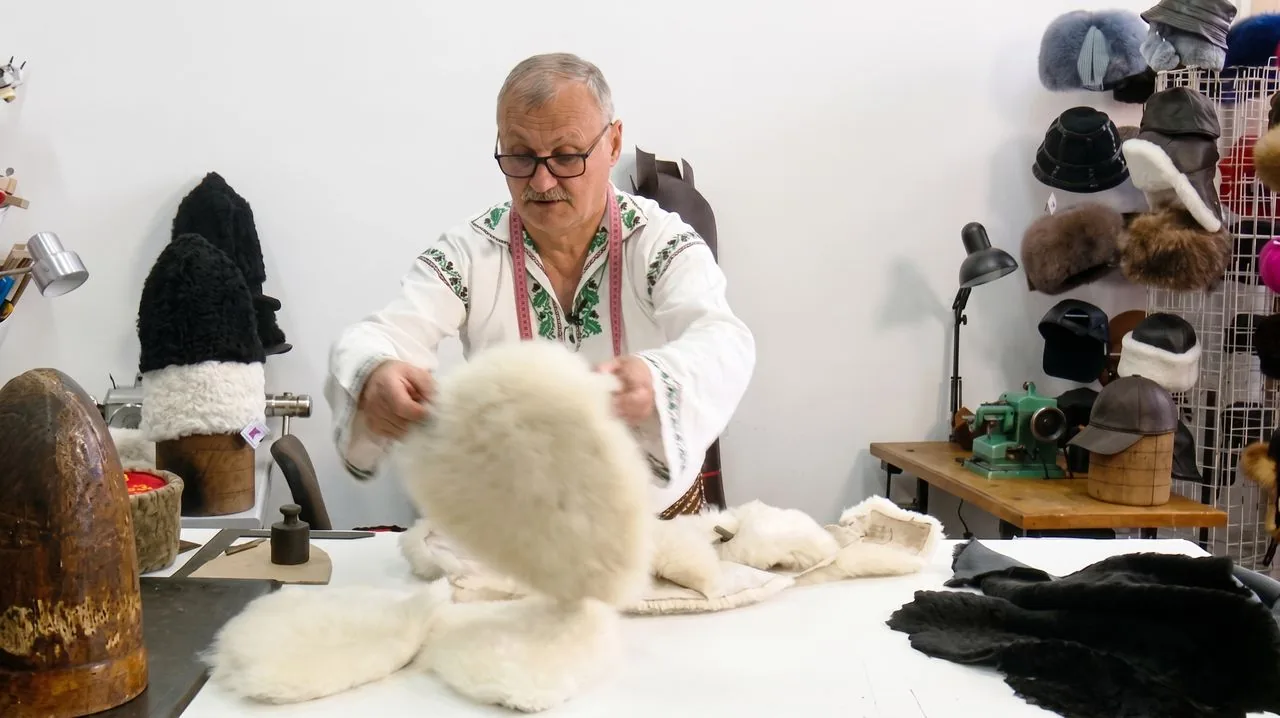
A cușmă is cut from three clini, three gores, and the hair has to run upward on every one of them. The clini are laid side by side and checked against each other. The lining is cut slightly smaller than the face, and the fur is tucked inside the seam, or the seam looks bad.
Care
Keep pieces in a dry, ventilated place away from direct sun and heat sources. Use wide hangers to hold their shape and avoid plastic garment bags. If they get wet, let them dry naturally, away from radiators. For professional cleaning, come by the workshop or write to us.
Didn't find your answer?
Write to us and we'll gladly help with a particular piece, a repair or a made-to-order commission.
Write to us