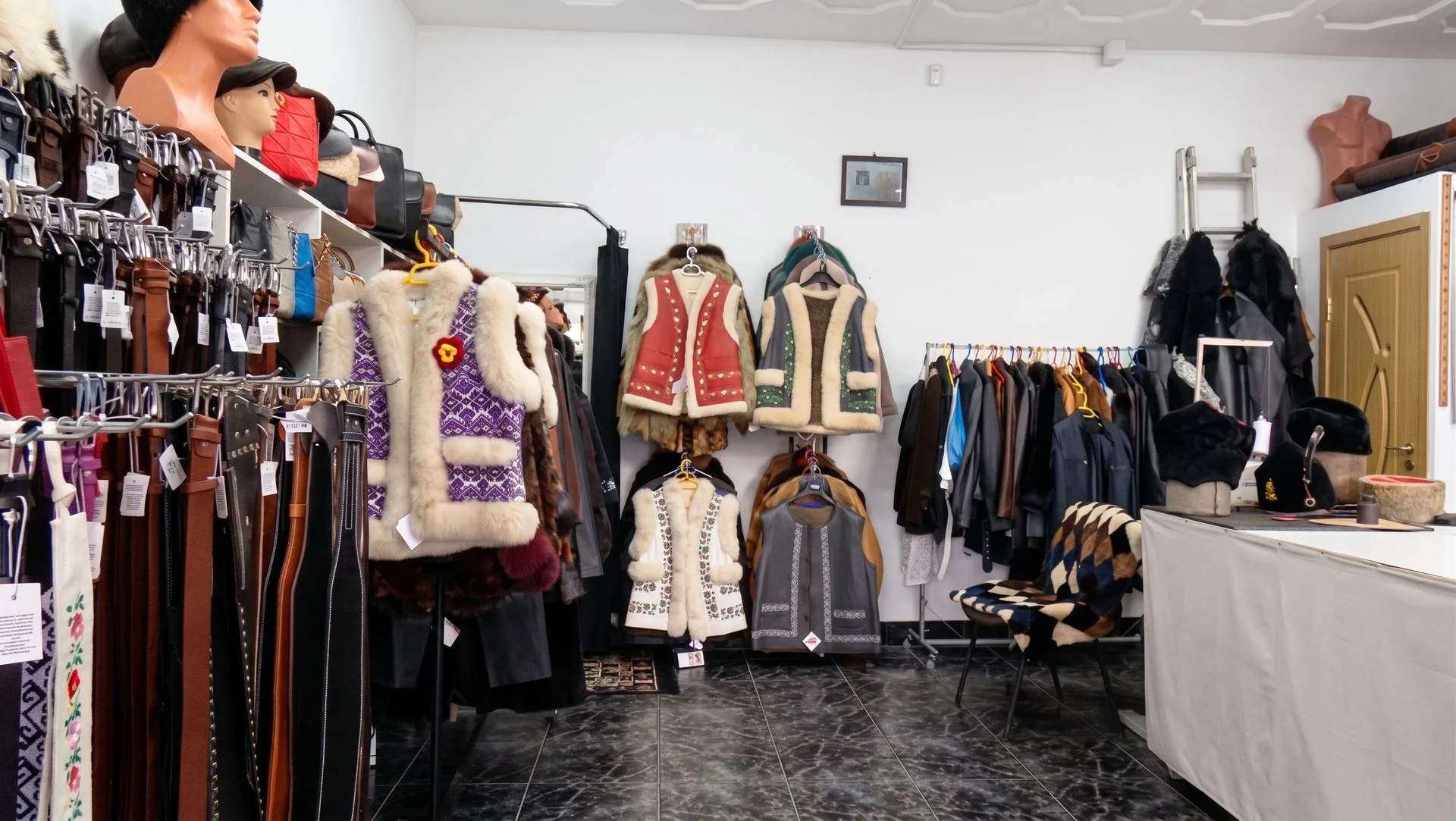
Our Brăila workshop
One place, three crafts
We create, we sell, and we give a second life
We create
We sell
We restore
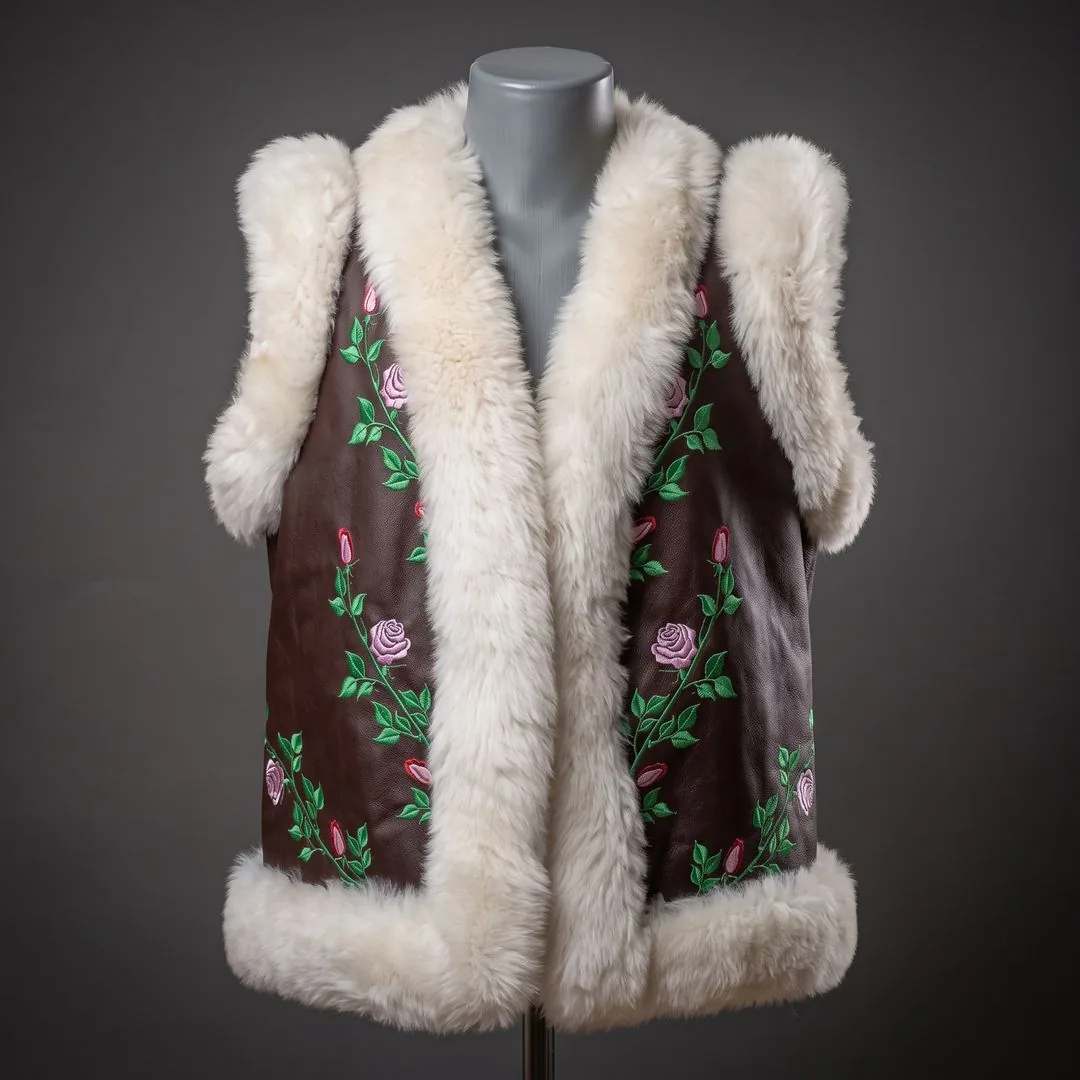
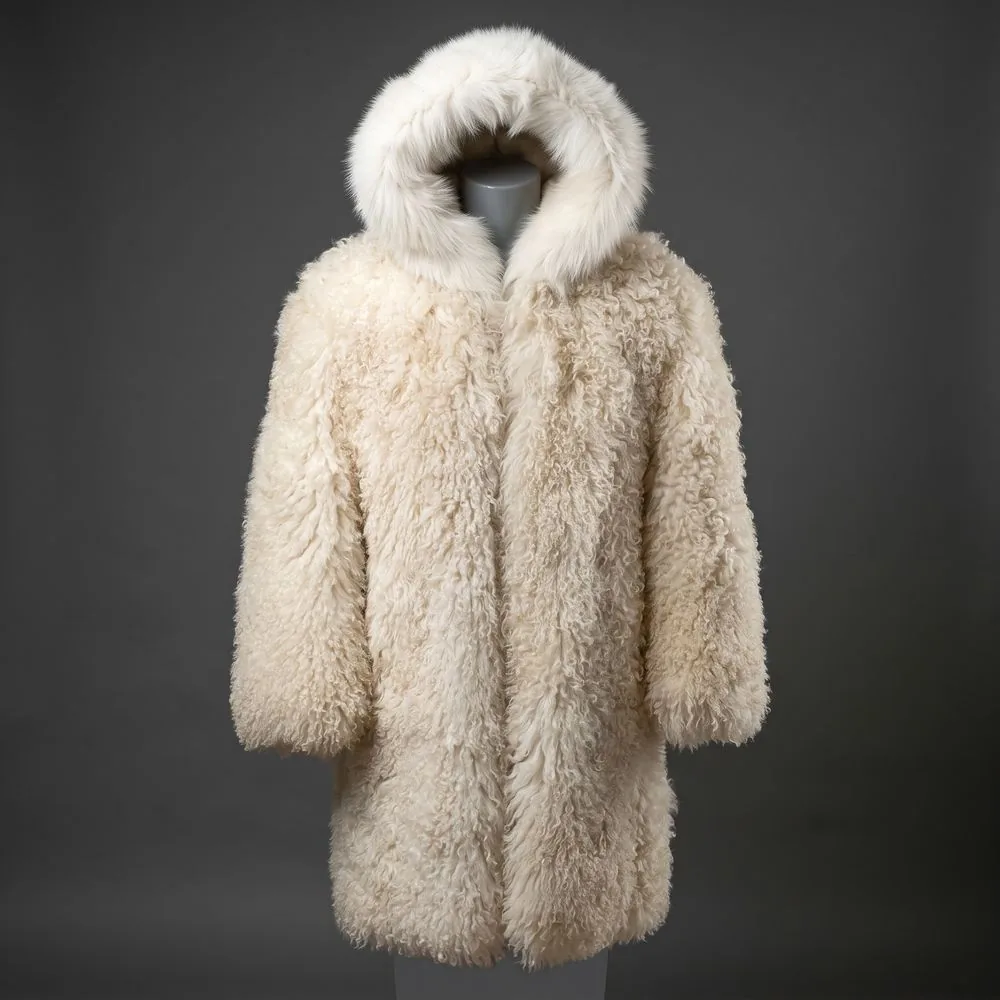
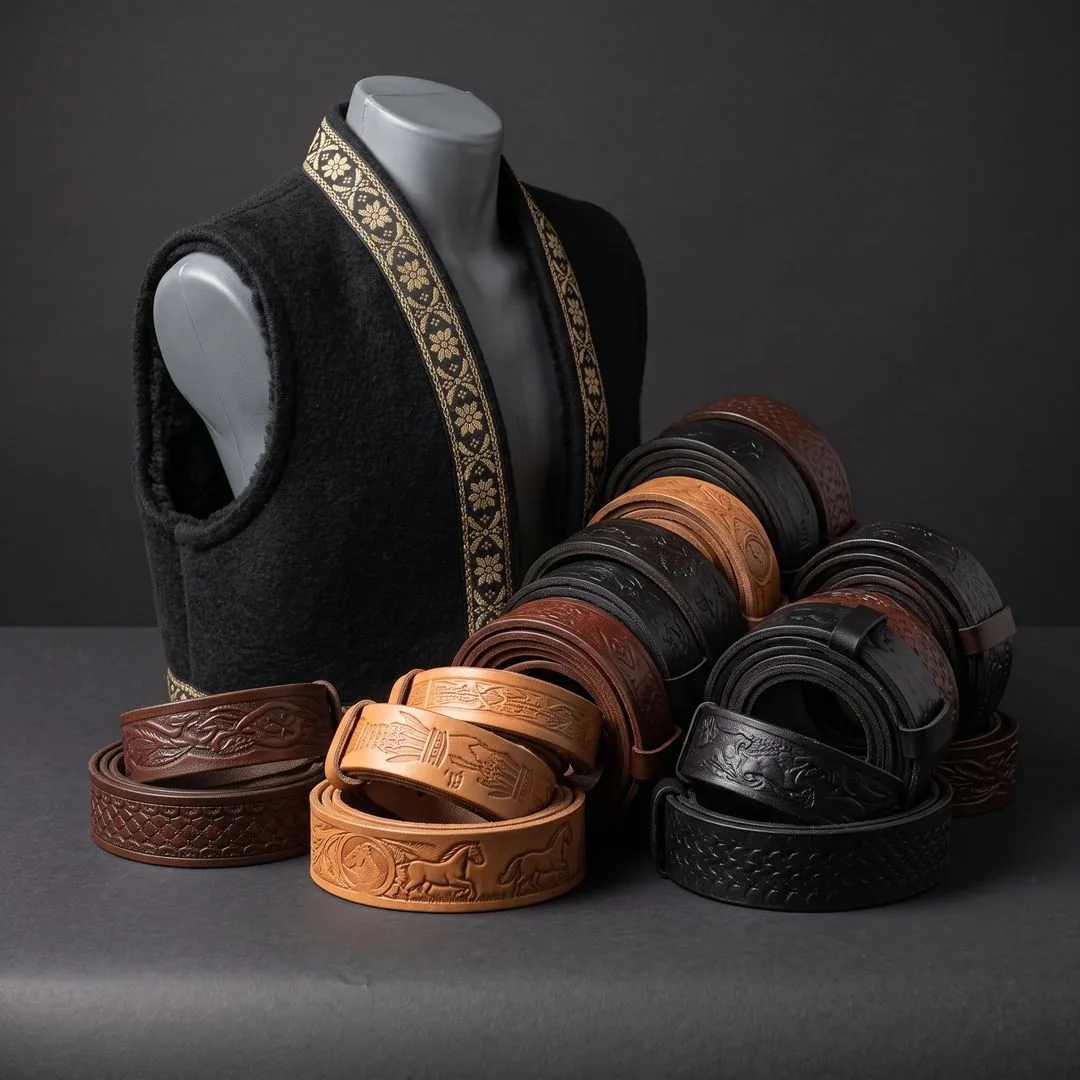
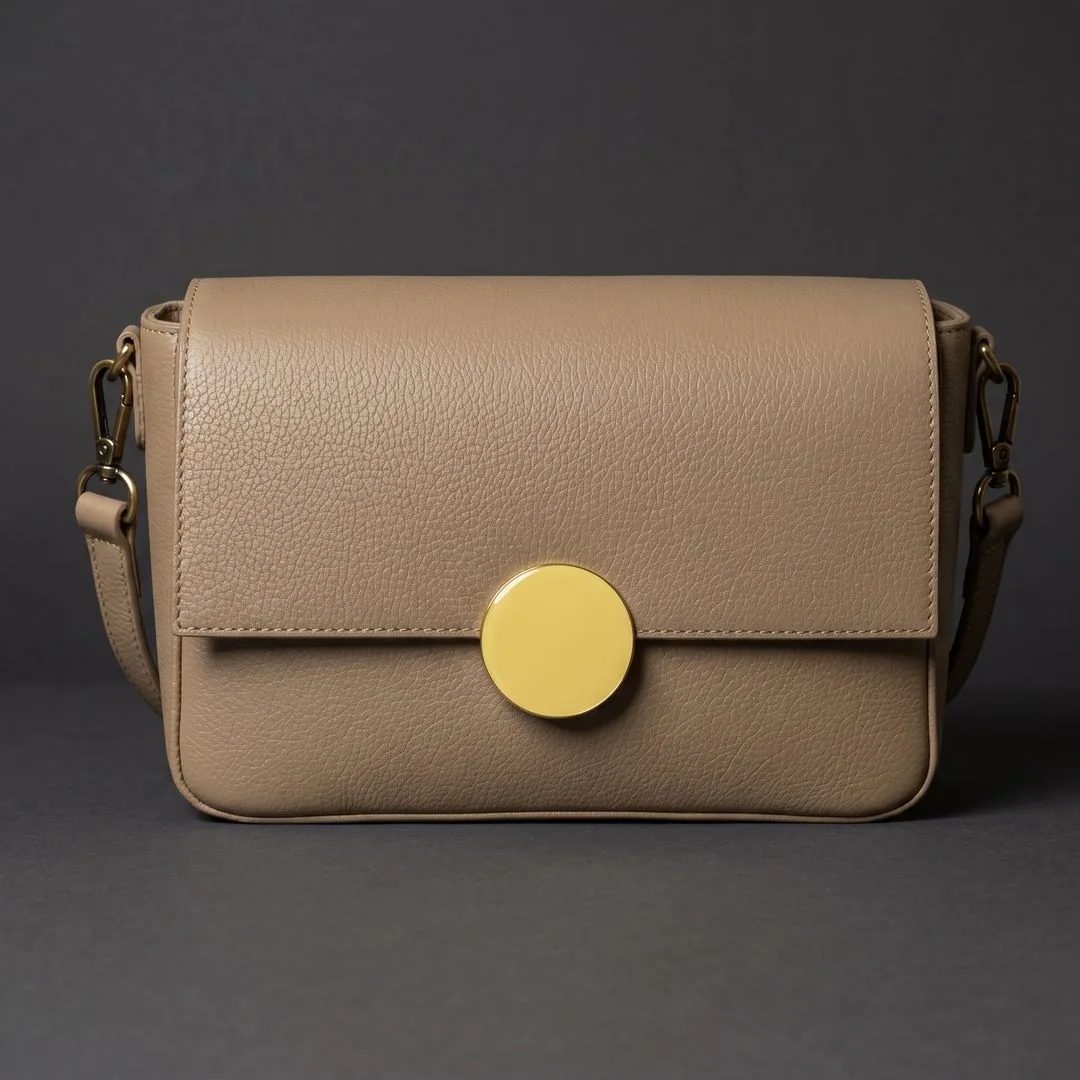
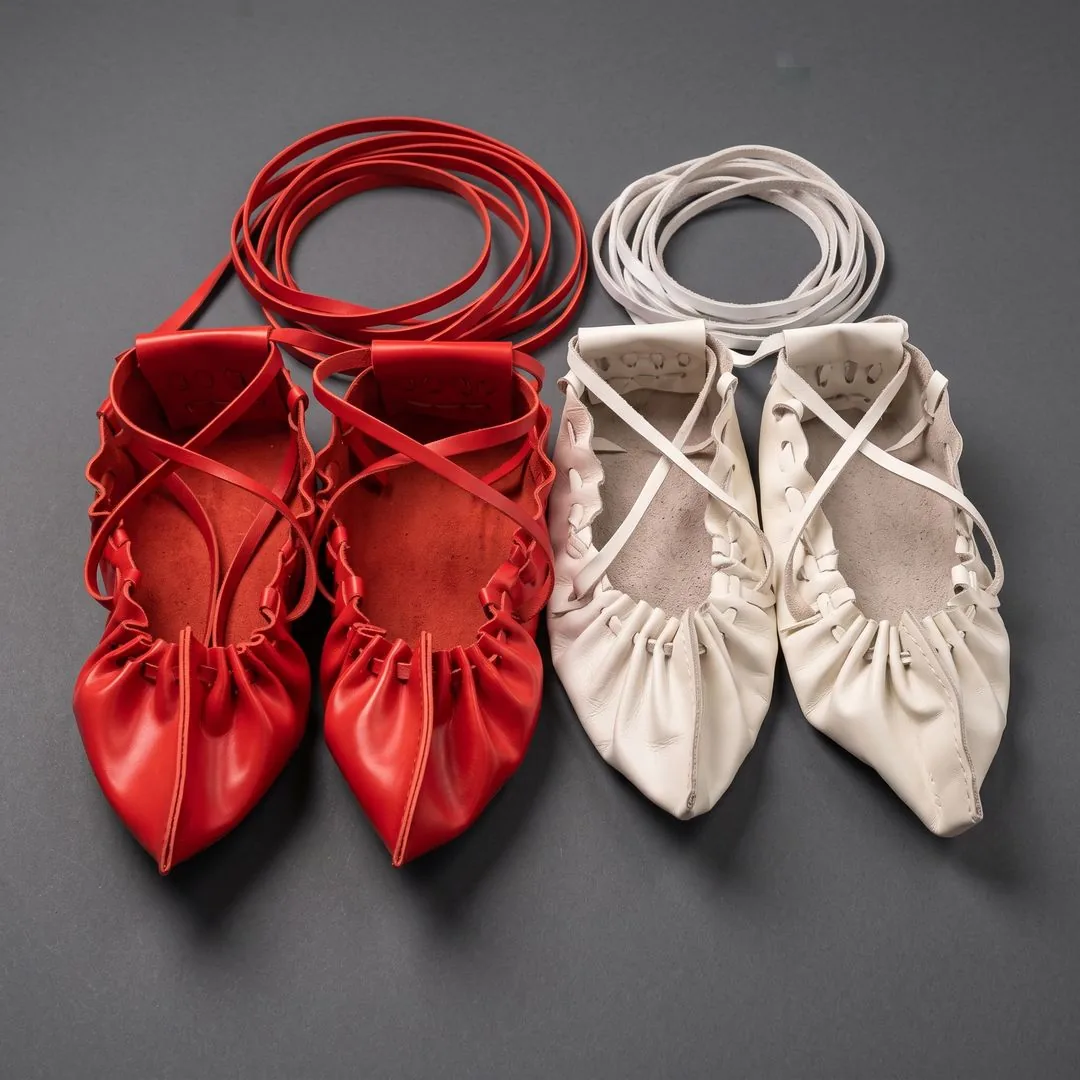
What awaits you inside
See and touch the fur and leather
Try-on and styling
Made-to-order consultation
Repair drop-off + on-site assessment
Storage intake
For customers living abroad
The shop and the pieces, in pictures
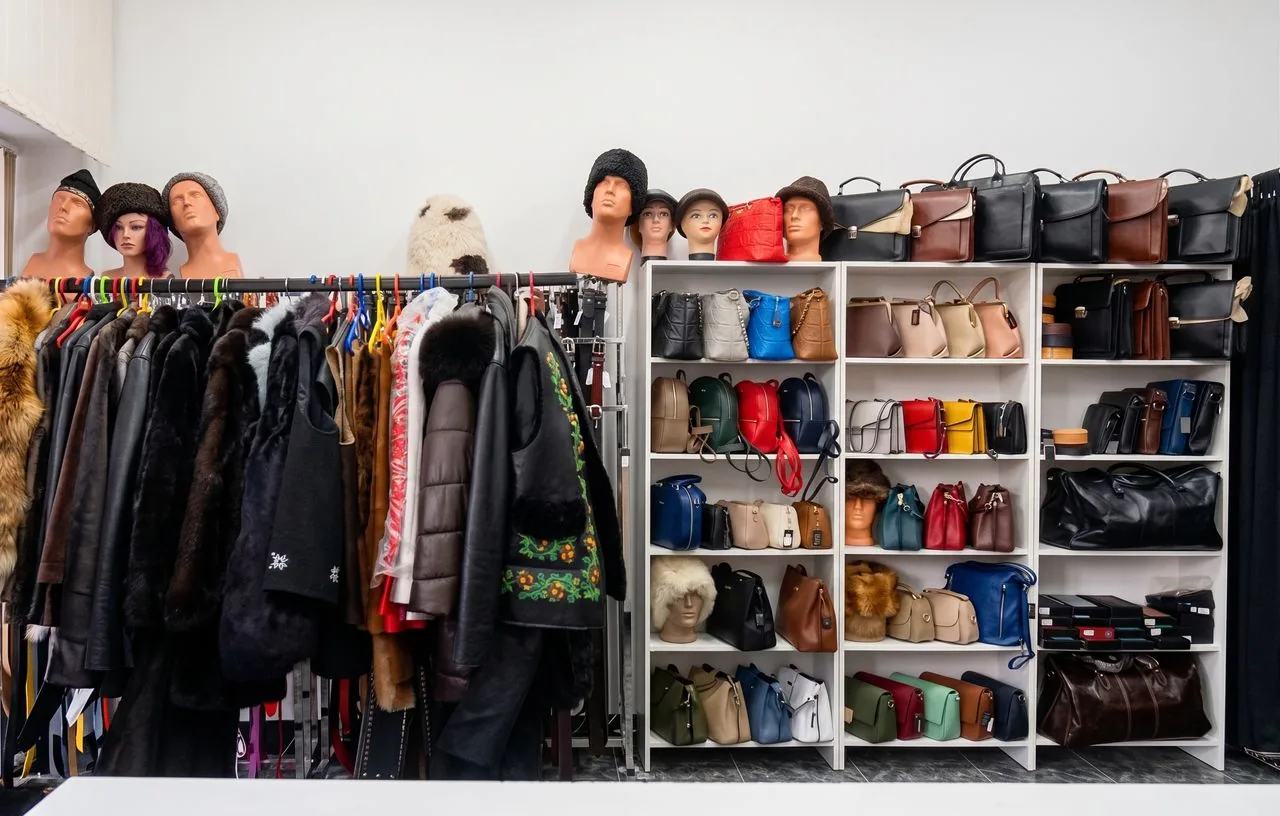
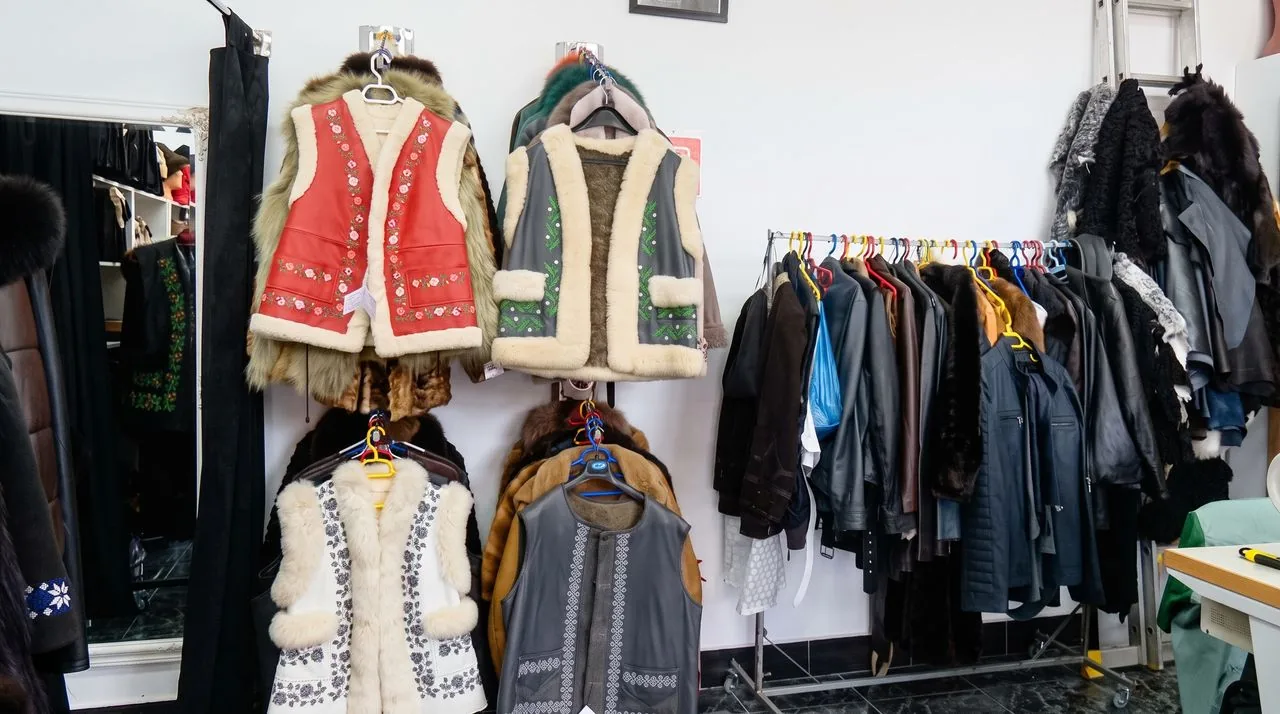
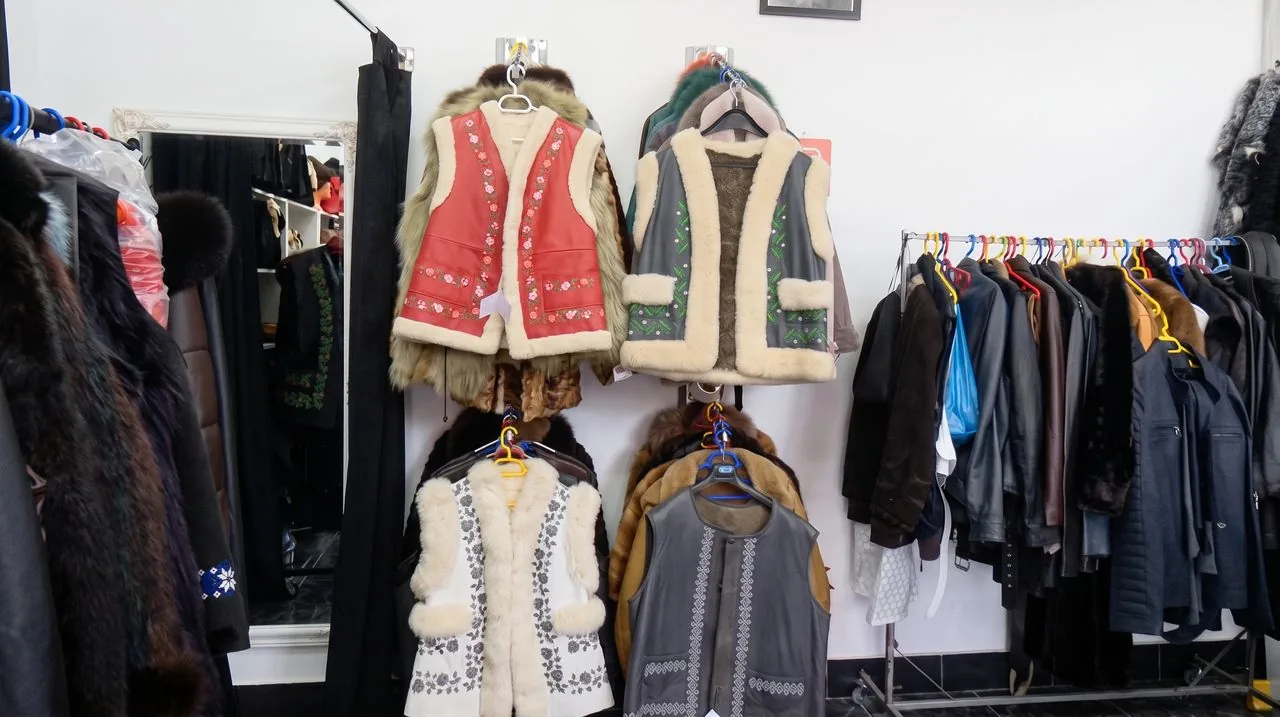
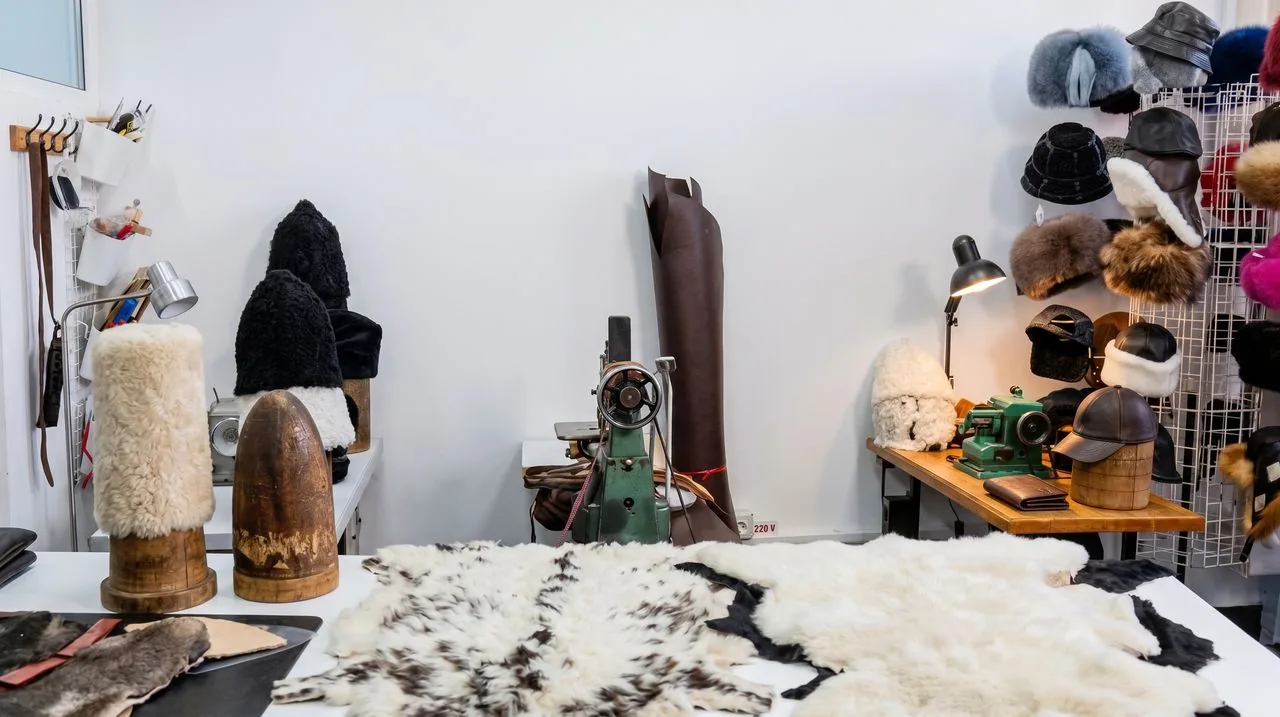
Inside the shop
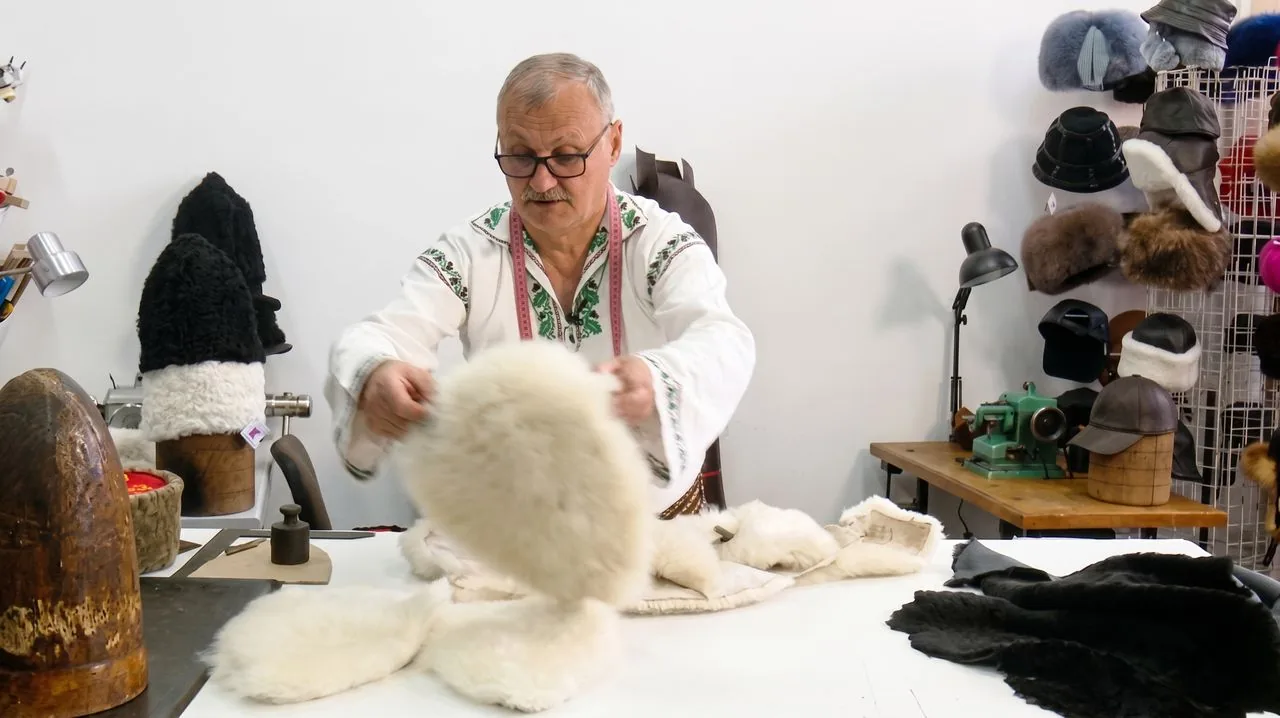
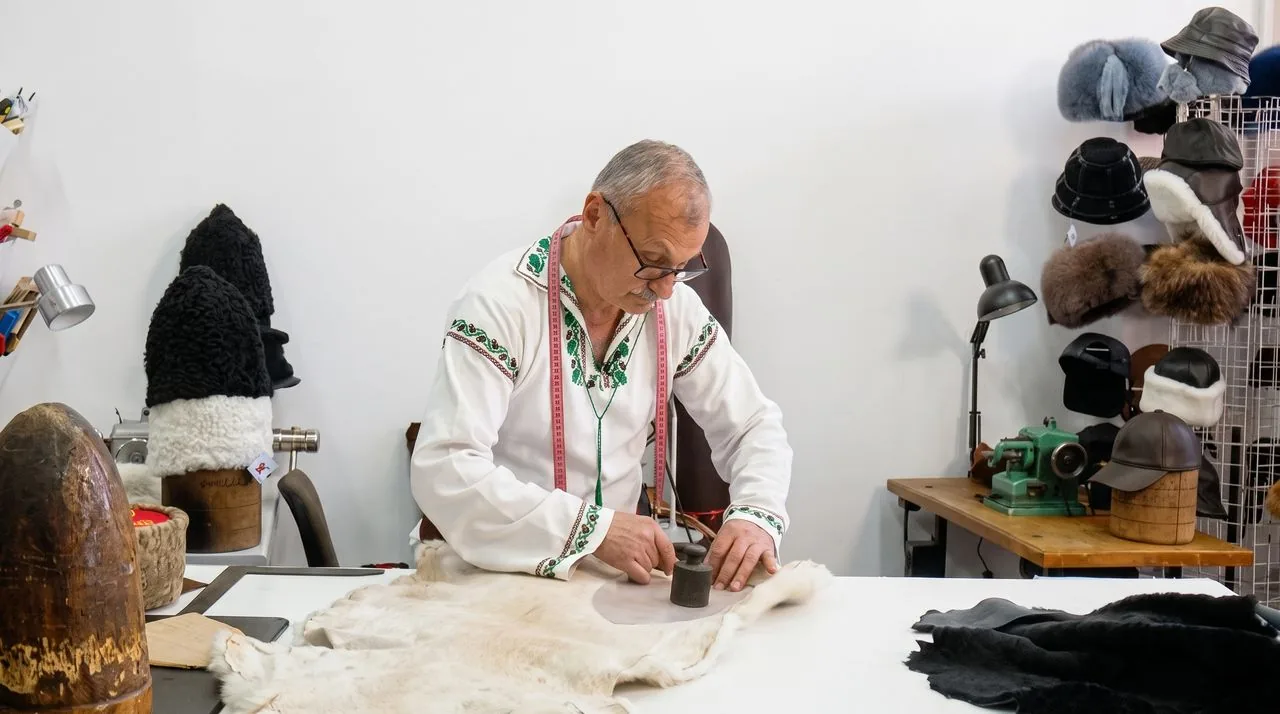
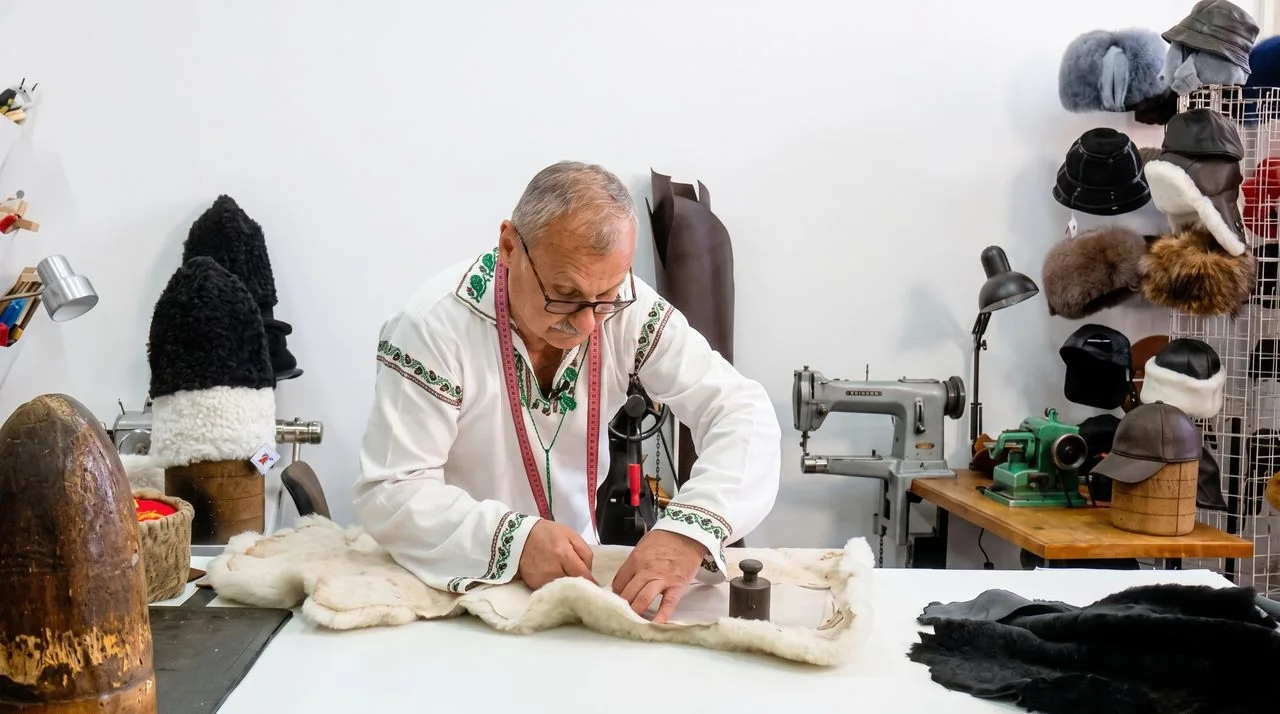
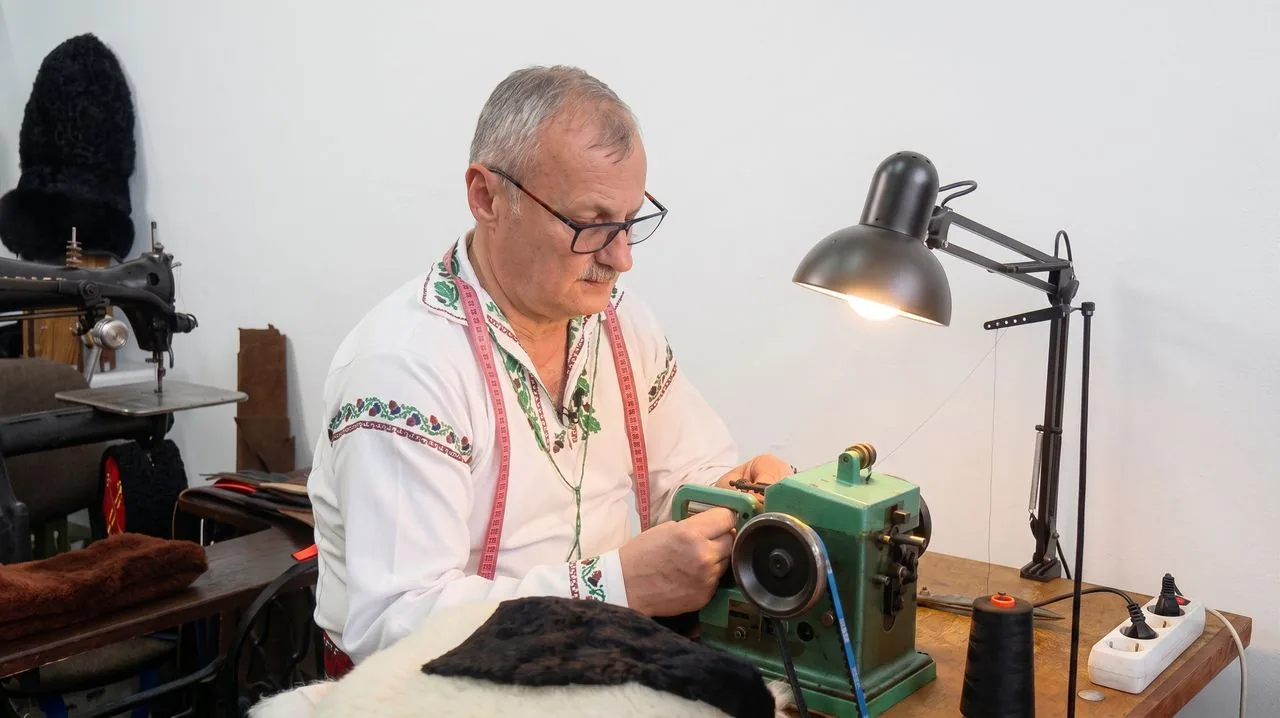
The work happens in the room where it is sold
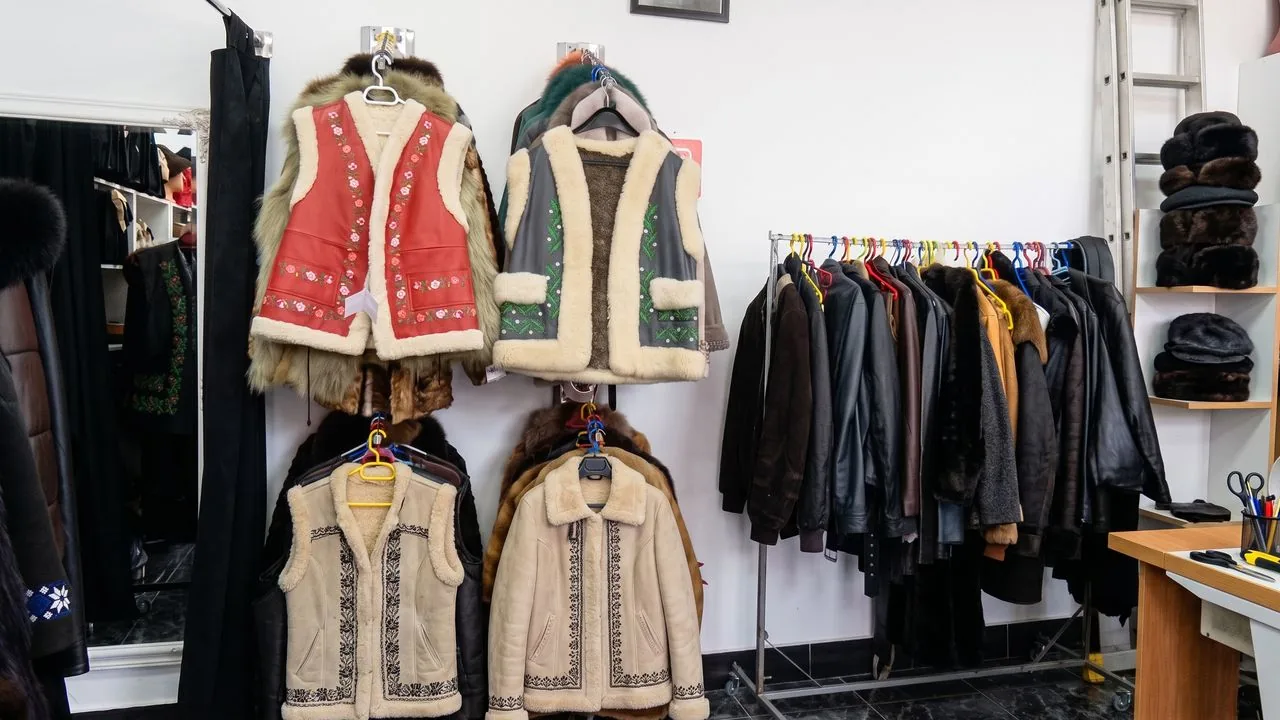
Materials
Fox or mink? What each material asks of you
What it is like
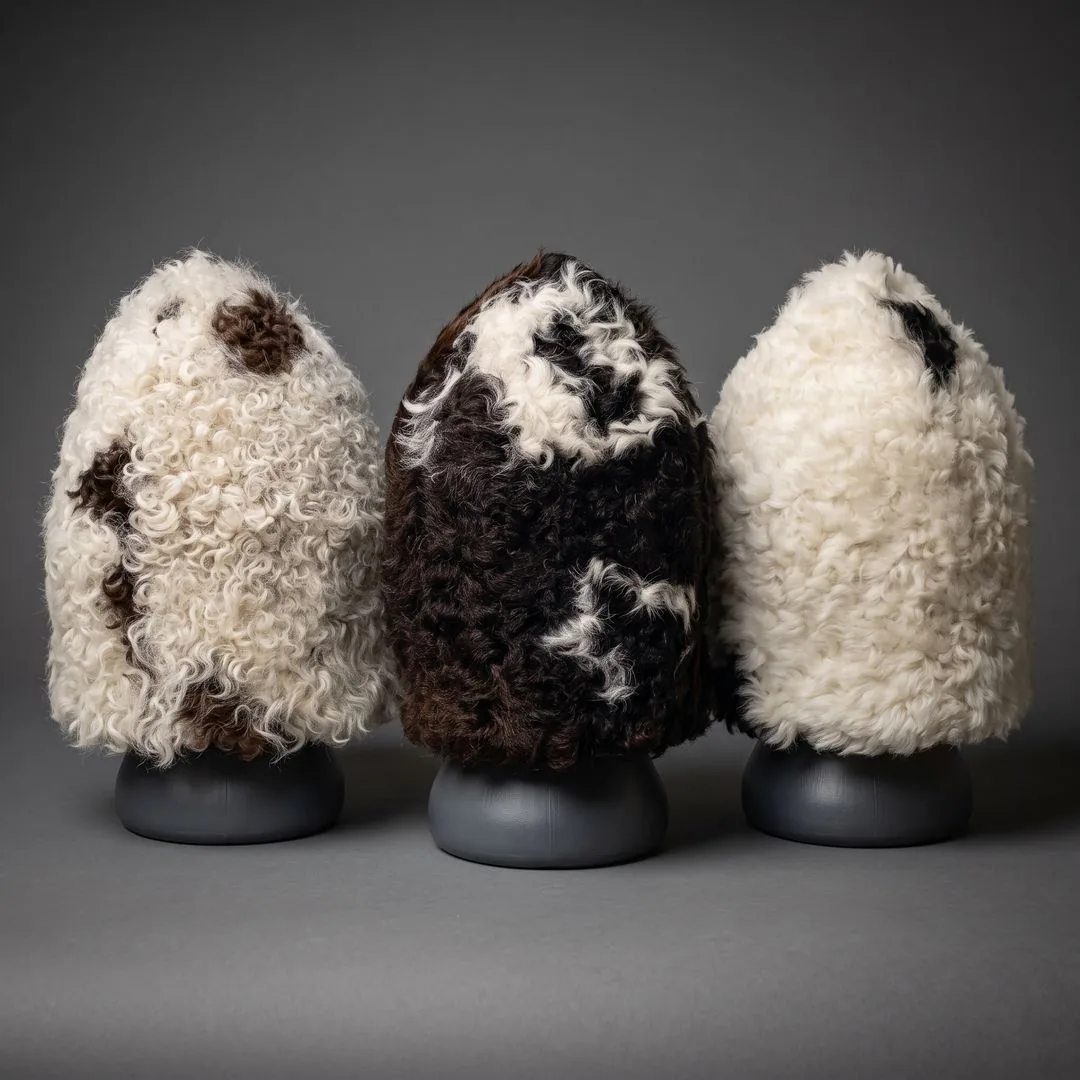
The skin the cușme and the fur-side-out cojoace are made from. The curl is dense and irregular, with pale and dark patches that come off the animal, not out of a dye bath.
What it asks for
Shake off snow and let the piece dry on its own, at room temperature. Untangle the curl gently with your fingers, never with a comb. Then brush with a soft brush, in the direction of the hair. Cleaning and glazing are done once a season, at the workshop, before the piece is put away.
What it is like
The tight, glossy curl used for a cap's band and for contrast panels. Compact and elegant, but the curl loses its shape if the hide dries out.
What it asks for
Keep away from damp and direct heat; dry by air only, never with a hairdryer. Wipe off dust with a soft cloth, dry, along the curl. Do not put creams or oils on the skin side: the hide of a fur is fed only at the workshop, with furrier's products.
What it is like
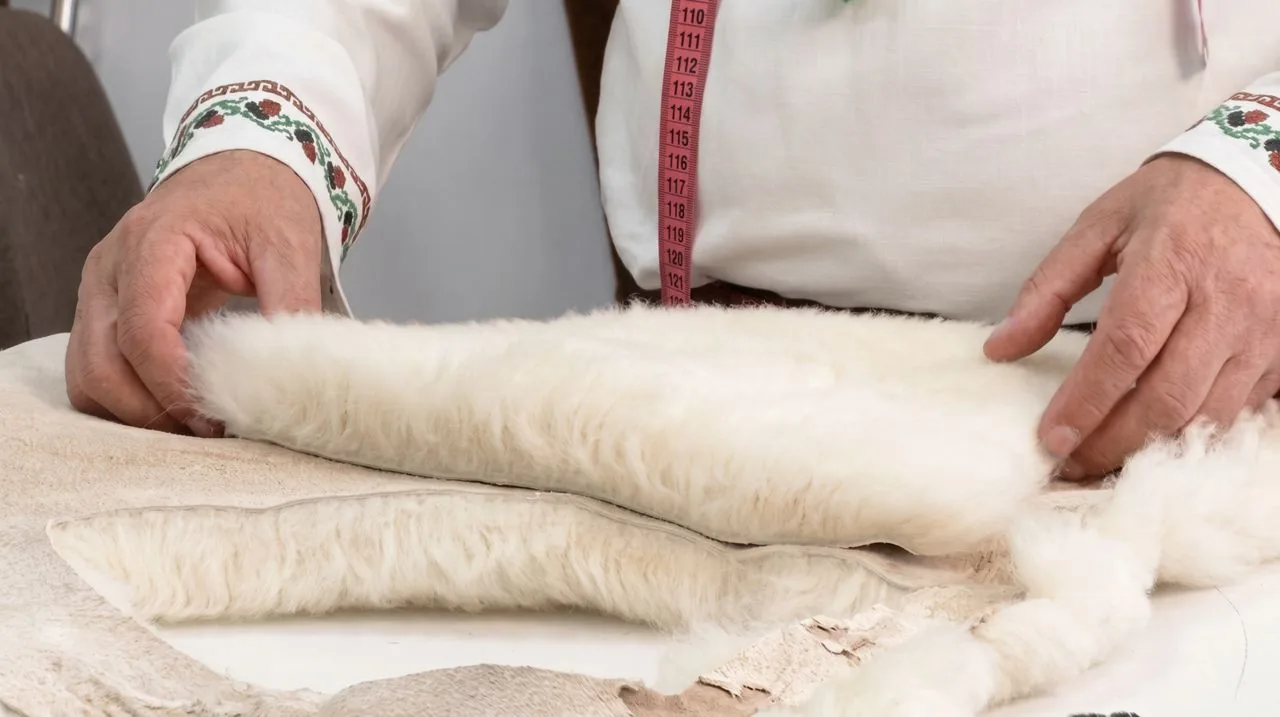
Sheep or lamb skin with the wool kept on one face and the leather finished on the other. Warm, rugged and natural, but it soaks up water and stains if left unprotected.
What it asks for
Brush the leather face, dry, with a soft brush to lift the nap. For grease spots, sprinkle starch, let it draw, then brush it off. Keep away from water and rain. Don't wash the piece or send it to an ordinary dry cleaner.
What it is like
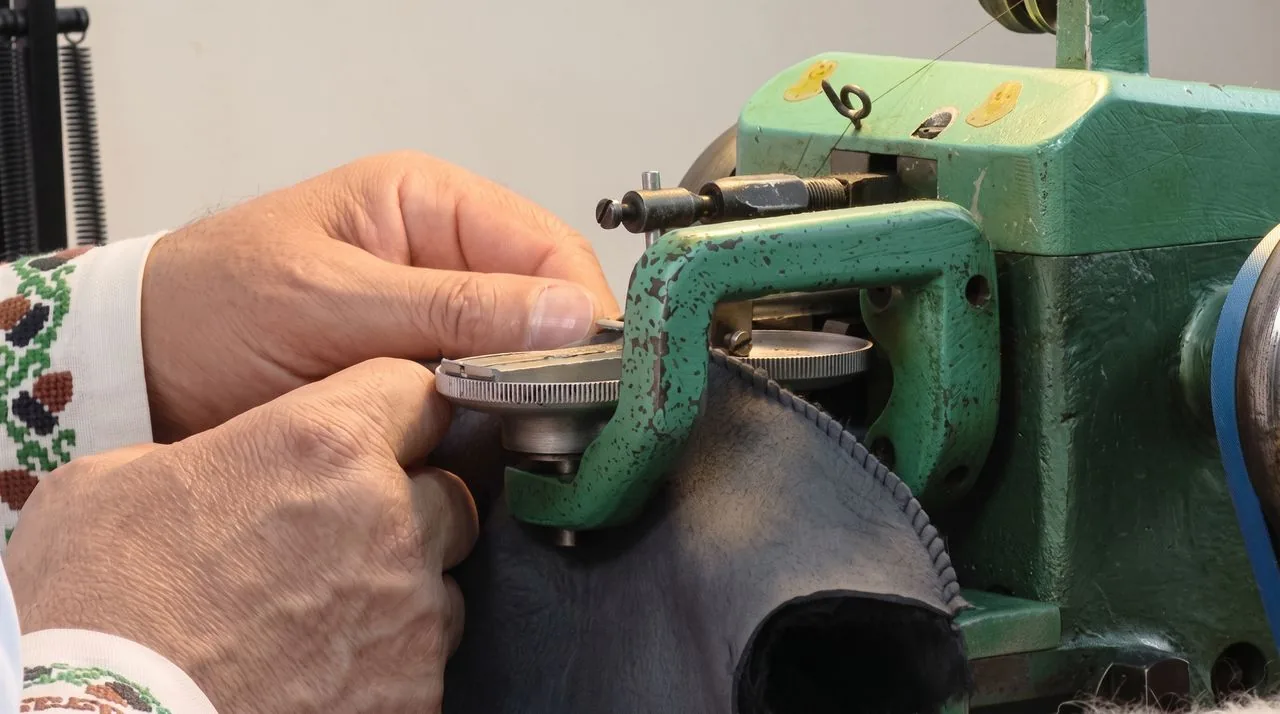
Fox, hare and mink fall, in workshop speech, under vânat, game: the hide is thin and the hair long, so they are sewn on a different machine from thick materials. Long hair flattens and tangles if the piece is crammed in.
What it asks for
It needs room, so don't cram it between clothes. Wide hanger, cloth garment bag, cool dry spot. Shake it gently to bring the volume back and detangle softly with your fingers. Workshop glazing restores the sheen; at home, don't brush hard.
What it is like
The ground of the bundițe, the bags and the belts. A surface with the grain left visible, good to the touch, but sensitive to scratches and water marks.
What it asks for
Wipe off dust with a soft, dry cloth. With liquids, blot at once, don't rub. Feed it rarely, with a neutral balm, in a thin layer. Keep belts rolled rather than folded in half. Recolouring and difficult stains are handled at the workshop.
What it is like
A velvety surface with a short nap. Warm and matte in look, but very sensitive to water, stains and rubbing; it soils easily.
What it asks for
Brush regularly, dry, with a suede brush to lift the nap and remove dust. Grease spots are treated with starch, then brushing. Keep away from water and rain. Don't wet it or rub it damp: the nap flattens and the surface takes on a shine that never comes out.
What it is like
The crown of a cap and the caps made in felted cloth. They are not fur and are not cared for like fur, but a moth eats wool just as happily.
What it asks for
Shake and brush lightly, dry, with a soft brush. Don't rub velvet with water and don't iron it directly. Store the piece clean, in a cloth bag, on a block or loosely stuffed. Stains go to the workshop, not into household detergent at home.
Techniques by name
The craft, by name
Hand-stitching
Lasted construction
Working the fur
Three directions
What we care about
Traceability
Durability
Welfare
Certifications appear here only once they're genuinely held.
Plan your visit
Map coming soon
Where to find us
Strada 1 Decembrie 1918 39810203 Brăila
Opening hours
Monday to Friday